

Browse Topics
Discover stories that matter to you
 Travel Sphere
The Ultimate Guide to Sustainable Tourism
Sustainability in travel is more than just a buzzword. With tourism accounting for a significant portion of global carbon emissions, sustainable tourism is becoming a critical focus for responsible travelers. Here’s how you can enjoy the wonders of the world while minimizing your environmental impact. What Is Sustainable Tourism? Sustainable tourism involves making a conscious effort to reduce the negative environmental, social, and economic effects of tourism. It’s about leaving a destination in a better state than when you arrived and contributing to its long-term prosperity. Key Principles of Sustainable Tourism: Respect Local Cultures and Traditions: Always be mindful of the local customs, history, and ways of life. Minimize Your Carbon Footprint: Choose eco-friendly transport options, like trains or buses, over flights when possible. Support Local Economies: Opt for locally-owned businesses, restaurants, and accommodations to ensure your money benefits the community. Sustainable Travel Tips: Stay in Eco-friendly Accommodations: Look for hotels and guesthouses that use renewable energy, recycle, and practice water conservation. Choose Off-Season Travel: Traveling in the off-season helps reduce overcrowding and minimizes the environmental strain of tourism. Participate in Conservation Efforts: Join local initiatives to preserve nature, whether it’s through wildlife conservation programs or beach cleanups. Conclusion: Sustainable tourism is the future of travel. By being more mindful of the destinations you visit and how you travel, you can ensure that future generations can enjoy the same incredible experiences that you do.
 Travel Sphere
Embarking on a Journey with the Environment in Mind: A Complete Handbook for Green Travel
Eco-friendly travel is more than a fleeting fad; it's a dedication to the conservation of our Earth. Given that the tourism industry significantly contributes to global carbon emissions, it's crucial for globetrotters to adopt sustainable methods. Here's how you can traverse the world while minimizing your environmental impact. Mastering the Art of Sustainable Tourism Sustainable tourism involves making a conscious effort to mitigate the negative effects of travel on the environment, society, and economy. It's about enriching the destinations you visit and ensuring their longevity and success for future generations. Fundamental Tenets of Sustainable Tourism: Uphold Cultural Heritage: Always show reverence for local traditions, culture, and ways of life. Minimize Environmental Footprint: Choose eco-friendly transportation options, such as trains or buses, over air travel when possible. Strengthen Local Economies: Patronize local businesses, restaurants, and accommodations to bolster community development. Guidance for an Eco-Friendly Traveler: Choose Eco-Friendly Accommodations: Opt for lodgings that emphasize sustainable practices like renewable energy, waste reduction, and water efficiency. Plan Travel During Off-Peak Times: Traveling during the off-peak season helps to reduce the strain on local resources and the environmental burden of tourism. Join Conservation Initiatives: Engage with local environmental protection efforts, from safeguarding wildlife to participating in beach clean-ups. Closing Reflections: Sustainable tourism represents the future of travel. By being mindful of your travel decisions and their consequences, you are preserving the natural and cultural treasures of our planet for future generations to experience and cherish as you have.
 Travel Sphere
The Ultimate Guide to Backpacking Through Southeast Asia
Southeast Asia is a backpacker’s paradise, offering an abundance of cultures, landscapes, and experiences that cater to every type of traveler. Whether you’re lounging on pristine beaches, exploring ancient temples, or trekking through lush jungles, Southeast Asia has something for everyone. But how do you make the most of a backpacking trip through this fascinating region? Here’s everything you need to know. Best Destinations for Backpackers in Southeast Asia: Thailand: Thailand is the perfect introduction to Southeast Asia with its bustling cities, beautiful islands, and vibrant street food culture. Don’t miss Bangkok’s Grand Palace, the temples of Chiang Mai, and the islands of Koh Phi Phi and Koh Samui. Vietnam: From the lush terraced rice fields of Sapa to the stunning Halong Bay, Vietnam is full of dramatic landscapes and rich history. Explore Hanoi’s Old Quarter and don’t forget to sample pho at a local street vendor. Cambodia: Home to the famous Angkor Wat temple complex, Cambodia offers a mix of ancient history and natural beauty. Siem Reap is a must-see for history lovers, while the beaches of Sihanoukville offer a great place to unwind. How to Travel on a Budget: Accommodation: Hostels are widely available across Southeast Asia, offering affordable options for solo travelers and groups alike. Look for guesthouses or homestays to immerse yourself in local culture. Street Food: Southeast Asia’s street food scene is legendary, and you’ll find delicious and cheap meals at food stalls in every city and village. Transportation: Buses, trains, and low-cost flights are great ways to travel cheaply between countries in Southeast Asia. In cities, tuk-tuks and motorbike taxis are cheap and fun ways to get around. Essential Travel Tips for Southeast Asia: Pack Light: You’ll be moving frequently, so pack only the essentials to keep your load light. Respect the Local Culture: Southeast Asia is home to many different cultures and religions. Be mindful of local customs, particularly when visiting temples and religious sites. Stay Safe: While Southeast Asia is generally safe for backpackers, always keep an eye on your belongings and avoid walking alone at night in unfamiliar areas. Conclusion: Backpacking through Southeast Asia is an adventure that will leave you with unforgettable memories. With its diverse cultures, stunning landscapes, and affordable travel options, it’s a destination that should be on every backpacker’s bucket list.
 Travel Sphere
Exploring Italy: A Comprehensive Travel Guide from Rome to the Amalfi Coast
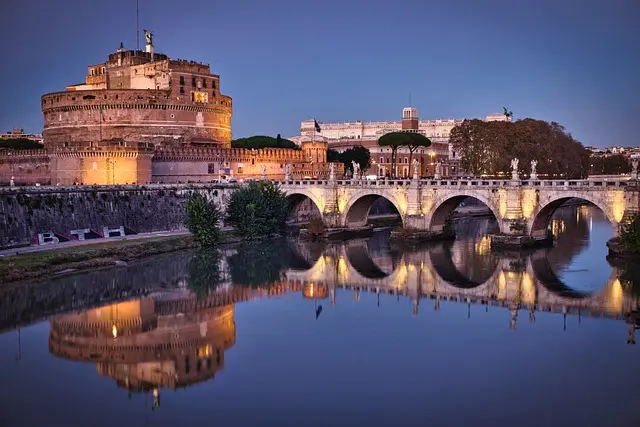
Italy is one of the most romantic and culturally rich countries in the world, with a rich history, stunning architecture, and delicious food. From the ancient ruins of Rome to the glamorous Amalfi Coast, there’s no shortage of beautiful destinations and activities for travelers. Best Places to Visit in Italy: Rome: A trip to Italy wouldn’t be complete without exploring its capital. Visit the Colosseum, Roman Forum, and Vatican City, home to St. Peter’s Basilica and the Sistine Chapel. Florence: As the birthplace of the Renaissance, Florence boasts iconic landmarks such as the Uffizi Gallery, Ponte Vecchio, and the Florence Cathedral. Amalfi Coast: Known for its dramatic cliffs and picturesque villages like Positano and Amalfi, the Amalfi Coast offers stunning coastal views and perfect spots to relax by the sea. Food and Drink to Enjoy: Pizza in Naples: Naples is the birthplace of pizza, and here you can try the authentic Neapolitan pizza with its thin crust and simple yet delicious toppings. Pasta: Italy’s pasta dishes are world-renowned, from the rich carbonara in Rome to the delicate ravioli in Tuscany. Gelato: Don’t leave Italy without indulging in some authentic gelato. Florence, in particular, has a few spots that are famous for their homemade flavors. Practical Travel Tips for Italy: Consider Renting a Car for the Amalfi Coast: While cities like Rome and Florence are best explored on foot or by public transport, a car rental is ideal for exploring the winding roads of the Amalfi Coast. Book Tickets in Advance: Italy’s top attractions like the Colosseum and the Uffizi Gallery can have long queues, so booking your tickets online in advance is highly recommended. Watch for Siesta Hours: Many shops and restaurants close for a couple of hours in the afternoon, so plan your activities accordingly. Conclusion: Italy is a dream destination for anyone who appreciates history, culture, food, and natural beauty. With its diverse landscapes and welcoming atmosphere, it’s easy to see why Italy is such a popular spot for travelers from around the globe.


More Articles
Art collecting in an age of artificial intelligence
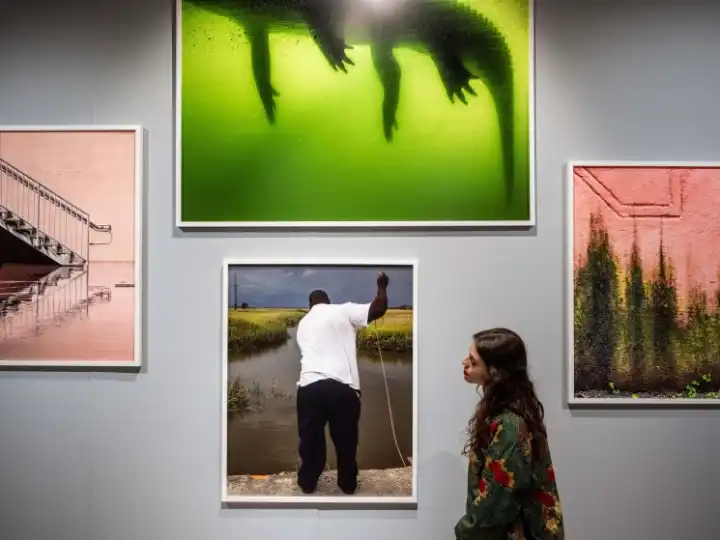
Photographers can use AI to enhance their creativity rather than eliminate it but new perspectives are needed to assess the art form in the digital age, writes Nina Roehrs.Photographers have always adapted to new technologies, whether that’s picking up digital cameras or the use of artificial intelligence (AI). Some argue that AI goes further than previous advances, reducing the need for human input in a way that threatens the essence of photography itself. Others believe it simply shifts the photographer’s role from image-taker to image-maker, blurring the lines between creation and curation.There are many ways to create a work of art, with varying degrees of assistance from others, including machines and algorithms. The true test, however, lies in demonstrating the uniqueness of one’s ideas, style and originality, and finding the delicate balance between concept and visual expression. Take Albertine Meunier’s HyperChips. The series has a distinctive visual language and humorously illustrates an ever-shifting AI output despite using the same prompt: “Albertine Meunier is eating sausages and chips.”When we look at AI art, we should be asking ourselves the following questions. Does AI serve as an assistant or a creator? How much human touch has been retained? Has the interplay between man and machine led to exceptional results? Inevitably, assessing quality in this digital context requires a nuanced understanding of the technologies involved, which will demand new skills and perspectives from curators, collectors, critics and viewers alike.AI in photography represents both continuity and change. And those who are highly skilled in navigating and exploiting these technologies have a distinct advantage. AI might not represent as radical a departure as it first appears – at least not for artists who know how to leave a lasting impression.Roehrs is a specialist in art in the digital age and the curator of the Digital Sector at Paris Photo.Best in showsThe coming year’s slate of photography fairs and festivals across the globe confirms the growing importance of the medium to the wider art world, while celebrating all areas of the practice. Here is a rundown of 2025’s coming attractions.Angkor Photo Festival, FebruaryCambodiaHosted by non-profit organisation Angkor Photo Festival and Workshops, this is Southeast Asia’s longest-established international photography event.angkor-photo.coThe Photography Show, AprilUSAThe Association of International Photography Art Dealers spearheads this event that, in 2024, returned to its historic home in New York’s Park Avenue Armory.aipad.comPhoto London, MayUKFirst held in 2004, Photo London will return to Somerset House from 15 to 18 May to celebrate its 10th edition since its relaunch as the most significant British photography event of the year.photolondon.orgPhotofairs Shanghai, MayChinaThe leading platform for contemporary photography in China has also added an inaugural fair in Hong Kong to its roster, in March 2025.photofairs-shanghai.comCopenhagen Photo Festival, JuneDenmarkThe largest festival for photography in the Nordic countries has been running in the Danish capital since 2010.copenhagenphoto festival.comLes Rencontres d’Arles, July to OctoberFranceFounded in 1970, internationally renowned Les Rencontres d’Arles photography festival represents a prime opportunity for discovering new photographers. The associated Jimei 3 Arles Festival in China has run since 2015.rencontres-arles.comBiennale Images Vevey, SeptemberSwitzerlandThis biennale judges “projects” rather than individual entries for a handsome prize fund of CHF40,000 (€42,600).images.chPinta BAphoto, OctoberArgentinaLatin America’s most important art fair specialises in photography, with galleries from the region and the US.baphoto.pinta.artLagosPhoto, OctoberBenin/NigeriaIn 2023, LagosPhoto expanded beyond Nigeria into Benin. For 2025 the fair has transitioned to a biennale and will engage curators across Africa.lagosphotofestival.comParis Photo, NovemberFranceIn 2024 the weeklong fair returned to Paris’s beautiful Grand Palais. As well as more than 200 global exhibitors, specialised sections include a book sector, which shines a light on photobooks.parisphoto.com

Do concert films still matter in the age of scrolling? ‘Cornucopia’ makes a dazzling case for them
Directed by Ísold Uggadóttir and filmed live at Lisbon’s Altice Arena,Cornucopiais not simply a tour document – it’s a defiant act of orchestral storytelling. The film captures Björk’s performance from start to finish without behind-the-scenes interviews, which would have been fascinating but would have likely disturbed the flow. This is not a look backstage but rather an immersion into Björk’s theatrical subconscious. The visuals, which were designed by long-time collaborators Tobias Gremmler, come directly from the projections that were shown during the live performance, lending the film a hallucinatory coherence. Think of this less as documentation and more as a dreamscape: a multisensory, modernlanterna magicawith a set list spanning from “Isobel” to “Fossora”.In Björk’s cosmic universe, fashion functions as a narrative layer. For much of the show she floats in a tulle dress by Noir Kei Ninomiya that resembles an Arctic crustacean layered over a lace bodysuit by Sarah Regensburger. The musical ensemble wore Balmain couture with detours into pieces by Richard Malone and Kiko Kostadinov. The otherworldly masks are by James Merry. “All looks are always chosen by Björk,” says her long-time stylist, Edda Gudmundsdottir. “They have to resonate with her as they present the visual parts of her music.”(Photo: Santiago Felipe)But beyond the visuals lies something more urgent. Instead of endless costume changes,Cornucopiais punctuated by a stark spoken-word interlude on climate change, – underscoring Björk’s deep-rooted social consciousness and environmental urgency. This isn’t spectacle for spectacle’s sake but rather a poetic plea.The weight of it all was not lost on Uggadóttir. “Translating such a large work of art into film was daunting and, at times, quite humbling,” says the filmmaker. “But I was constantly moved and surprised by how exhilarating it was to make something so alive and singular.”Sonically,Cornucopiais a platform for Björk’s high-concept musicality and avant-garde vision. On stage, she orchestrates a rare convergence of classical rigour and experimental flair – pairing Viibra, a septet of ethereal flautists with the 50-strong Hamrahlíð Choir, an Icelandic institution she once belonged to. Add to that Grammy-nominated percussionist Manu Delago, who conjures rhythm from bowls and a tank of water during “Blissing Me”, and the result is as ambitious as it is transportive. “She wanted the audience to feel held,” says musical director Bergur Þórisson. “The sound had to be spacious, emotional and womb-like.” Translated from a 360-degree format into Dolby Atmos, the result is enveloping; each aluphone chime and flute phrase hangs in the air like fog.Visually, her collaborators deliver maximalist theatre. “It was about recapturing complexity without flattening it and keeping moments of intimacy too,” says James Merry, who serves as the artist’s co-creative director. “I was thinking about the fans who didn’t see the show in person and my hope was to give them as close an experience to the live audience as possible. To feel surrounded by the visuals and occasionally overwhelmed by them too,” he says. “Hopefully we did it justice.” The film quietly centres Björk’s lyrical brilliance. Often eclipsed by her aesthetic largesse, the singer’s songwriting finally takes the spotlight. Lines bloom across the screen in her own handwritten font. Standout missives include: “deadly demonic divorces demolished the idea”, “without love I feel the abyss”, and “hope is a muscle that allows us to connect”. To put it bluntly: Björk’s got bars.Despite our era’s fragmented attention spans,Cornucopiarequires full immersion. It asks the audience to look closer and listen with their whole self. And, in doing so, the film serves as a reminder that some art is too expansive to be trimmed into clips – it demands to be experienced in its entirety. DoesCornucopiabelong in a feed? No. But it just might reset your sense of what belongs on a screen.
Setting Out on an Eco-Conscious Adventure: Your Ultimate Guide to Green Travel
Traveling with environmental consciousness is not just a trend; it's a commitment to preserving our planet. Recognizing the substantial impact of the travel industry on global carbon emissions, it's essential for travelers to embrace sustainable practices. Here are some ways you can explore the world while reducing your ecological footprint. Embarking on Sustainable Tourism Sustainable tourism requires a deliberate effort to lessen the adverse environmental, societal, and economic impacts of travel. It's about enhancing the places you visit, ensuring their sustainability, and securing their prosperity for generations to come. Core Principles of Sustainable Tourism: Respect Cultural Heritage: Always honor and respect the local customs, traditions, and lifestyle. Reduce Environmental Impact: Opt for green transport options, such as trains or buses, over flying when feasible. Support Local Economies: Support local businesses, eateries, and lodgings to foster community growth. Advice for the Eco-Minded Traveler: Select Sustainable Lodgings: Choose accommodations that prioritize green practices like renewable energy, waste management, and water conservation. Travel in Low Season: Traveling in the off-peak season alleviates pressure on local resources and lessens the environmental impact of tourism. Participate in Conservation Efforts: Engage with local environmental initiatives, from wildlife protection to beach clean-up activities. Final Thoughts: Sustainable tourism is the wave of the future in travel. By being aware of the consequences of your travel choices, you contribute to the preservation of our planet's natural and cultural heritage, ensuring that future generations can enjoy and value these treasures as you have.

“I despise the idea of comfort for an artist” – Audrey Diwan on eroticism in film
Early in the morning, as Paris begins to wake, Audrey Diwan likes to draw the curtains in her living room and watch a film. “It’s the best time of day for it,” she says, welcoming Monocle into her 9th-arrondissement apartment. She projects films directly onto a niche in the wall. On the floor next to the fireplace are piles of DVDs. “There are only two shops in Paris where you can still rent them. I go to Le Vidéo Club de la Butte in Montmartre, which is a magical place. It has films that you can’t find anywhere else.”Diwan shot to fame in 2021 when she won the Golden Lion at the Venice Film Festival forL’Événement(released internationally asHappening), based on French writer Annie Ernaux’s 2000 memoir of the same name. It chronicles the author’s experience of struggling to get an abortion in the 1960s.L’Événementcaptured the zeitgeist, sparking conversations about a topic that remains taboo for many. The decision to adapt the book at that moment now feels prescient. In 2022, less than four months after the US Supreme Court overturned Roe vs Wade – the landmark ruling that had made abortion a constitutional right in America – Ernaux became the first French woman to win the Nobel Prize in Literature. Then, in March 2024, France revised its 1958 constitution to enshrine the right to terminate a pregnancy as a guaranteed freedom.Diwan’s deft ability to address societal issues originates, in part, from her work before film. She studied journalism and political science, and began her career as an editor at Éditions Denoël. She then worked at magazines such asGlamourandStylist. She has also published several novels, includingLa Fabrication d’un mensonge(“The Making of a Lie”) andDe l’autre côté de l’été(“On the Other Side of Summer”). Today she continues to write as well as direct. She recently worked on the screenplay forThe Stronghold, a Cédric Jiménez-directed film about Marseille’s criminal underworld, as well as Valérie Donzelli’s romantic comedyJust the Two of Us.In 2024, Diwan became one of 11 people selected to join France’s newly revamped Oscar selection committee. The overhaul came as the country sought to win an Academy Award in the best international feature category for the first time in more than 30 years. “Deciding on a film was a heavy weight on our shoulders,” says Diwan. “How do you know what the right choice is?” The committee eventually selectedEmília Perez, a musical by Jacques Audiard, for this year’s awards. “Watching films and talking about them is my life,” she says. “Audiard is a giant of French cinema. To win best picture would be great but we would love to receive best international picture because it’s symbolic. Many filmmakers here deserve more attention.”Audrey Diwan’s pick of new films to watch:1.‘L’Histoire de Souleymane’Boris LojkineThis immigration story will “change your whole perception of the world”, says Diwan. “You can’t look at people on the street in the same way after seeing it.”2.‘September Says’Ariane LabedLabed’s directorial debut explores the bond between two teenage sisters.3.‘Misericordia’Alain Guiraudie“It’s an unexpected piece that sets itself up as a thriller in the French countryside,” says Diwan. “It is unlike anything you’ve seen before.”Diwan’s third directorial feature,Emmanuelle, is a remake of Just Jaeckin’s 1974 softcore hit, which was based on a book by Thai-French novelist Emmanuelle Arsan. Unlike Jaeckin’s version, Diwan presents her film from the titular character’s point of view, restoring Arsan’s focus on female agency. It’s a brave choice but Diwan doesn’t shy away from a challenge. “I despise the idea of comfort for an artist,” she says. “When I find the right project, I have to feel as much fear as desire. Those are my two essential ingredients.” She couldn’t finish watching Jaeckin’s film adaptation. “I obviously wasn’t the intended audience,” she says. In her reinterpretation, Noémie Merlant, known forPortrait of a Lady on FireandParis, 13th District, steps into the role of an older Emmanuelle who roams the halls of a luxury Hong Kong hotel in search of a way to reconnect with her lost sense of pleasure.“When I read the book, I thought, ‘What is eroticism nowadays – does it still exist?’” says Diwan. She began to see the project as an opportunity to explore how young people relate to one another in the digital age. In many ways,Emmanuelleis a natural continuation of her work onL’Événement. Both films challenge cultural taboos about women’s rights, sexuality and the struggle to reclaim control over their bodies. “There is a strong feeling of shame in the films,” says Diwan. “I talk about bodies that are broken.” The making ofEmmanuellealso shows how things are changing on French film sets in the wake of the MeToo movement. Diwan and Merlant worked with an intimacy co-ordinator, a role that is now common in Hollywood but is still new in France.On-screen intimacy is frequently treated with a frustrating lack of nuance and Diwan is determined to change this. “I’ve read so many screenplays that simply state, ‘And then they have sex,’” she says. “That’s where the problem is. You would never say, ‘And then they have dinner.’ You would explain what’s going on during that dinner, what kind of interactions you expect.” Too often, she says, filmmakers avoid discussing these scenes with the cast and crew, which leads to improvisation. It’s a risky approach that can create superficial results or even dangerous situations. “When you don’t know what you’re looking for – when a scene is only included because you want to see people having sex – you’re in trouble,” she says.Diwan thrives on films that spark meaningful discussions. “It’s always good to challenge people’s expectations,” she says. “Those are the journeys that I prefer when I’m in the audience. You can love it or hate it but a strong reaction means that you can have a conversation. An open discussion – that’s what cinema should be.” — L

From film to geopolitics, 10 sharp predictions for how the world will change before 2026
1.Emerging markets will top the box officeCameron Bailey, CEO of Toronto International Film Festival, on the future of the global film industry and why audiences are looking beyond Hollywood.I’m hoping for balloons and cake when tiff celebrates its 50th edition in 2025. I’m excited to learn about new features and filmmakers this year. In 2024 many Cannes festivalgoers discovered Payal Kapadia through her arthouse hit,All We Imagine as Light, and Laura Carreira through her debut,On Falling. I can’t wait to see who’s next.I don’t believe the accepted wisdom that screen stories can only get shorter and more synthetic. For the film industry to remain inspiring, all that it needs to do is look for new voices and new regions, and trust in the infinite curiosity of filmgoers. I’ll be first in line to see the clunky attempts at mainstream movies built by artificial intelligence. Big moments in film history always tell you a lot about the art form. The introduction of colour, widescreen shots, 3D and computer animation to screens all spring to mind. When we begin to better understand artificial intelligence and its capabilities beyond simply imagining new stories, we’ll have more pressing things to worry about than what it has done to cinema.As technology continues to upend the film industry, the work of trailblazing filmmakers, such as India’s Rima Das, is more important than ever – and a powerful argument in favour small-scale craft. I’m keeping an eye on Winnipeg’s Matthew Rankin, who recently directedUniversal Language, one of the most original comedies that I have ever seen. There’s also American actor Danielle Deadwyler. I hope that we all get to see her do bigger and wilder roles on screen.The main challenge that the sector is facing is pessimism. Over the past decade, every corner of industry has been rattled by fast, disorienting change. The old business models are dead. Filmmakers might want to curl up in a corner next to newspaper publishers but, like journalism, screen storytelling can – and must – be reinvented. I draw optimism from audiences, especially young ones, who are as thrilled by seeing their first Edward Yang classic as they are by sexy new hits such asAnora. After coronavirus-pandemic restrictions lifted in Canada, we decided to make tiff’s year-round programming more accessible, particularly to those under 25. Now we have young people glued to Oscar contenders as well as classic films.If you like discovering new pop-culture trends, then my advice would be to keep an eye on Southeast Asia and Africa. The next great filmmaker could come from Vietnam, Malaysia, Nigeria or Indonesia. These countries will definitely produce some of the most influential future filmgoers as their young audiences grow.2.Physical retail is here to stayCape Town-based designer Sindiso Khumalo on the future of the global fashion industry, eco-conscious consumers and why in-person shopping is more important than ever.Today’s designers are creating for a generation that cares more about making environmentally conscious clothing choices. Big brands will have to relate to that customer, otherwise they risk losing market share. A lot of people can be cynical about sustainability but I think that it’s a fantastic thing; any change is a good change if it’s in the right direction. But it’s very expensive to be sustainable. Large fashion brands should work with smaller labels to create a better kind of fast fashion – one that isn’t destroying the planet.War and uncertainty have dominated the agenda in 2024. All of this has affected the economy, which had knock-on effects in the fashion industry. It has led to real concern among major brands. The last thing that people think about buying at a time of instability is a pretty dress.But I’m an optimist and I always say that nothing lasts for ever. Brands have the opportunity to re-evaluate how they speak to and understand their customers. People want the truth, whether it’s about leadership in governance or where their clothes are made. They want more transparency. Businesses need to take accountability and decide how they’re going to operate.The future of the fashion industry will hinge on brands having physical shops. I’m opening my first retail space in December 2024. Shopping well is a treat – and it’s an experience that should be honoured. I remember people telling me 10 years ago that it would all eventually be online. This is not the case. Most of us want a tactile experience – probably even more so now because almost everything we do is on screens. Physical shops aren’t going anywhere. If anything, more designers will open retail spaces over the coming years.There will also be geographical shifts in the fashion industry, with businesses pivoting to focus on growing markets in Asia or Africa. Brands will increasingly begin to think of themselves as part of a global community.3.Global power will shift to Asia – and Europe must adaptFormer Singapore permanent representative to the United Nations Kishore Mahbubani on Asia’s prospects on the world stage.The year to come marks the start of the next quarter of the 21st century – a quarter that I believe will be dominated by Asian politics and culture. The balance of world power is shifting from West to East. The most dangerous issue in Asia is the security of Taiwan, given that it could trigger a collision between the two biggest global powers: the US and China. But both countries understand that war would be disastrous. Even though they have conflicting perspectives on Taiwan, they will avoid entering into a direct confrontation.The US-China relationship will probably remain troubled for the next 10 years, regardless of who is in power. Geopolitics is driven by structural factors, not personalities. There will be challenges to navigate for at least two or three more presidential terms, until a new equilibrium develops.Southeast Asia is a politically underrated part of the world. Among the Asean group of nations, there are strong new leaders in Indonesia, Malaysia, Singapore and Vietnam. The bloc will continue to do well over the coming decade. As geopolitical tensions rise, it’s important for countries to find safe venues in which to talk to each other. Asean events have convening power – they’re one of the only places in which both the US and China feel comfortable communicating.Territorial disputes in the South China Sea will remain a challenge but I’m reasonably confident that there won’t be a war. There might be skirmishes and tensions but China knows that it has to be very careful in how it manages relations with its Asean neighbours. Relatively speaking, the bloc is friendly towards China, so it’s not in Beijing’s interest to alienate the countries within it.There are still many people in the West who believe that the G7 group of nations will continue to play the biggest and most significant role in the global arena. But I believe that it is in its sunset years. Its importance is diminishing. By contrast, Brics, which was founded by Brazil, Russia, India, China and South Africa, is being taken more seriously and has suddenly expanded to include new partner states such as Egypt and Ethiopia. The conventional wisdom in the West is that, one way or another, geopolitical power will remain with the West. I disagree. Over the next 25 years there will be a significant shift in power towards the Global South – and the West is completely unprepared.4.Despite rising tensions, nuclear threats are on track to fizzle outLondon-based Open Nuclear Network director Andreas Persbo on nuclear arms and the distant possibility of disarmament.It feels as though we’re nearing a threshold. The relationship between Iran and Israel is teetering on a razor’s edge. Israel is believed to possess nuclear weapons and Iran is closing in on them. The question of Iran’s nuclear ambitions is one of those persistent issues that no one really knows the answer to. But it has never felt more pressing than it does now, especially as the country’s recent tensions with Israel have pulled the topic of nuclear armament back into sharp focus. By most estimates, Iran would need about a year and a half to fully weaponise if it made that choice, though there are indications that it could compress that timeline. The country has already developed missiles and delivery systems to deploy such capabilities. A nuclear-armed Iran would fundamentally shift the region’s security landscape. It would amplify risk in ways that would ripple far beyond the Middle East.Hollywood has painted this picture of a nuclear explosion as a big bang, a shockwave after which the hero shakes off the dust and steps into a post-apocalyptic world. But that is far from the reality. Nuclear weapons don’t just destroy structures: they create a wasteland, unravelling every thread that civilisation is built on. In the event of a large-scale nuclear conflict, there’s no “starting over”. It’s cataclysmic. This isn’tMad Max. It’s an end with no second act.I would rather see humanity go through two conventional world wars in the next century than a single nuclear war. We can rebuild from conventional warfare. Yes, the suffering is terrible and the cost is unimaginable but it’s something that we can come back from. Introduce nuclear weapons, though, and the stakes change. Nuclear war is unwinnable and once it happens, there’s no going back. And yet, here we are, willing to gamble on that possibility.Striking a balance between deterrence and arms control has traditionally relied on bilateral efforts between the US and Russia. This has led to the largest reductions in global nuclear stockpiles and is still a method that holds promise. But for complete abolition? Multilateralism is the only viable route. For now, international disarmament is a vision for the future – and one that requires much patience and groundwork. We need to think strategically and in a way that respects the real security concerns of nuclear states. It’s about laying the foundations for a peaceful world order – step by step, consensus by consensus.Nuclear weapons will no longer be part of the global-security framework by the end of the century. By then these weapons will have held sway over international relations for more than 150 years– and that’s a very long time. The world’s trajectory is marked by resource scarcity, climate crises, energy demands and mass migration and points to a new time with different challenges.5.Sustainability will be luxury hospitality’s number-one sellHo Ren Yung, deputy chief executive officer at global hospitality firm Banyan Group, on greenwashing and the death of the social-media aesthetic.Slow travel is something that will continue to grow in popularity in 2025. I would define the concept as a choice to travel more intentionally, with an increased focus on connection and wellbeing, culturally rich and authentic experiences, and environmentally conscious itineraries.The increased attention on regenerative tourism is a positive thing for the hospitality industry. The Banyan Group was built with this in mind. More and more businesses are beginning to combat decades-long issues stemming from over-tourism.One of the biggest challenges facing the hospitality sector over the coming year will be balancing growth with meaningful sustainability practices. The industry must go beyond surface-level “green” initiatives and embed eco-conscious practices deep into every aspect of its operating model, from construction and energy use to waste management and partnerships. This will require both substantial investment and innovation, especially when it comes to adapting properties to meet more stringent environmental standards.The growing presence of women in hospitality leadership is not only levelling the playing field but also changing how we operate and connect with guests. In traditionally male-dominated areas, such as operations, we’re seeing a new generation of female leaders bring diverse insights, empathy, and an exceptional focus on community and sustainability to the fore. More is being done to support women taking their first steps into the industry, as well train and equip them with the skills needed to advance their careers.There are significant growth opportunities in travel markets across Asia, the Middle East and, increasingly, North America. Asia is playing a pivotal role in the sector, with countries such as China and Japan experiencing a resurgence in luxury tourism, particularly among younger, affluent travellers seeking sustainable travel options. The Middle East market is also among the world’s fastest growing, fuelled by a robust surge in tourists interested in immersive, wellbeing-focused trips.What won’t survive in the new year? Places designed primarily for aesthetic appeal in photos rather than for meaningful guest experiences. The industry has long been captivated by photo-ready decor meant to drive social-media engagement. But this superficiality now feels increasingly out of touch with society. Hotels will move away from creating these picture-perfect spaces and instead focus on thoughtfully designed environments that encourage genuine interaction, comfort and respect for culture.6.Gene editing will eradicate rare diseasesBerkeley biochemist and winner of the 2020 Nobel Prize in Chemistry, Jennifer Doudna, on reducing greenhouses gases and genetic diseases through DNA modifications.Crispr-based genome editing is a field that’s moving very quickly. [Crispr is an acronym that stands for “clustered regularly interspaced short palindromic repeats”.] The technology allows scientists to change the genetic makeup of organisms by making targeted breaks in dna and then harnessing its natural repair processes to modify the gene in the desired manner. This means that we can now do things such as correct disease-causing genes and make changes in microbes that affect the way that crops are grown or help us to deal with climate change. Over the next year we’ll continue to see advances in all of these areas.In 2023 the US Food and Drug Administration approved the first Crispr-based gene therapy for sickle cell disease. I expect similar breakthroughs to come in future. I’m not sure whether this will happen in 2025 but it will certainly take place over the next two years. More Crispr-based therapies will be approved and a wider range of patients will able to access them. In agriculture, Crispr-made crops are already coming to market. I’m certain that we will see an increase in the number of these yields in the next year and beyond.On the healthcare side, there’s an ongoing debate about how to use Crispr in ways that will be most effective for patients. Up until now it has mostly been used as a tool with broad applications for the treatment of rare diseases. But I suspect that we’ll see an increased interest in using the technology to inform our approach to preventive medicine in the future. Due to the specific way in which Crispr targets dna, it might become possible to make changes in genes that cause hereditary illnesses, including cardiovascular and neurodegenerative diseases.An exciting project that we’re working on at the Innovative Genomics Institute is targeting the microbes in cows that produce methane. The exponential rise in global temperature is partly attributed to methane – one of the most powerful greenhouse gases. Agriculture contributes to a large fraction of the amount that is emitted around the world every year. Crispr could have a real effect on reducing these emissions in an accessible, cost-effective manner by making specific changes to the gut microbiomes that produce gas in the stomachs of cattle. We’re already at a point where we know that we can do it. So now we have to ask ourselves, “How do we scale it?”I don’t think that the gene editing of embryos will happen any time soon. But it’s a very real possibility in the future and something that we all need to be aware of as a potential use of Crispr.7.Trump will overcome domestic divisionGlenn Corn, senior director for geopolitics and global threat assessment at the Institute of Critical Infrastructure Technology, on US foreign policy under the next Trump administration.We’re probably going to see a tougher line on China under the next Trump administration. Trade will be one of the government’s main focal points. War in the Middle East is a contentious issue; it’s a tinderbox. The Israelis are probably breathing a sigh of relief right now. They were very concerned that the US was moving away from them. But my guess is that the relationship between Benjamin Netanyahu and Donald Trump is good. In more than a year of war between Israel and Hamas, US public opinion on the conflict has continuously shifted. The war has significantly altered the relationship between the US and one of its closest allies – and it’s unclear whether it will recover. Nevertheless, the Trump administration has to continue to work with the Israelis.Gulf states will welcome the return of a Trump administration. The US will hopefully be able overcome the obstacles that Iran has created in this area and continue to improve its relationship with the Middle East. In the long run this would also help the Palestinian people and ease some of the tensions in the US.I was just in Turkey and many people there were happy that Trump had been re-elected. They felt neglected by the Biden administration. With Trump in charge, the US now has the opportunity to revive its relationship with Turkey and review its policies. It will be interesting to see what Turkey’s position will be on Israel and Palestine. President Recep Tayyip Erdogan has adopted a strongly anti-Israel stance since the war in Gaza began. How will the US handle that, especially if it is going to try to improve relations with Tel Aviv?The new Trump administration was elected on domestic-policy promises. It will have to focus on the economy and other social issues that are important to voters. I don’t know whether it will be possible to address all of these problems at the start. But I’m hopeful that the new government will pay more attention to Africa and Central Asia, and be more culturally sensitive to the countries that it is trying to build relationships with. This means less lecturing and instead, more listening and more flexibility. There will be more action, not just words.8.Africa and Asia will become the centre of the world’s urban futureWong Mun Summ, the director of WOHA architects, on the how the changing climate is encouraging us to adapt the way that we design cities.I’m on the nominating committee for the Lee Kuan Yew World City Prize. We awarded the 2024 award to Mexico City. When I met its leadership team, I was convinced that it was somewhere I should keep an eye on. The Mexican capital isn’t starting from scratch; it’s a very old place with a long history. But it is implementing new policies and seeing good results from them.There is so much potential to design and plan metropolises in a different way to the past. Going forward, there will be two forces at play: at one end, commercialism, and at the other, responsible design and planning. They need to come together. Cities, at the end of the day, should be liveable, vibrant and beautiful so that they remain attractive to people. Urban environments compete against each another. We need to strike the right balance between economic growth and societal good.Our cities are big. But in the future they’ll be even bigger. Small cities will become large cities and large cities will become megacities. In places such as Africa and India, there will be a lot of urban growth. India is rapidly urbanising and will see similar growth to what China has experienced over the past 25 years. New cities are also going to appear in Southeast Asia. It’s important that they are designed in both a sustainable and regenerative manner.Existing metropolises are still viable and they will continue to make themselves more liveable. European cities have been doing well with implementing clean-energy policies. Climate change presents us with the opportunity to rethink architecture. We need to come up with innovative, responsible solutions for a better future.9.Putin will expect Trump’s support – but it might not be forthcomingCandace Rondeaux, head of the Future Frontlines programme at the New America think-tank, on the future of the Russia-Ukraine conflict.Vladimir Putin will see a partnership with Donald Trump as a victory for Russia in its war against Ukraine. Over the coming year there will be tremendous pressure on Volodymyr Zelensky to cut a deal with Moscow. But the problem is that it’s really not up to Zelensky. Some 48 million Ukrainians have already answered the question of their future by fighting this war. We shouldn’t expect to see rapid capitulation, even in the event that Trump delivers on his promise to drastically reduce aid to Ukraine.The challenge is now to reckon with this stark reality. Zelensky knows that there are serious military challenges. One possible solution would be to establish an accord on some sort of no man’s land. An armistice similar to that of the 38th parallel solution between South Korea and North Korea could provide Ukraine with a viable path to long-term security.We should be very worried about the prospect of North Korean troops [which are in Russia preparing for deployment] becoming a bulwark inside Ukraine. If the West has to strike those troops in order to save Ukraine or buffer the Polish border, then it will find itself in a situation where it is directly attacking a nuclear-power state that has zero motivation to co-operate, collaborate or capitulate in any kind of negotiated, high-stakes situation.The danger of Ukraine falling or failing cannot be overstated. It could affect everything from China’s stance on Taiwan and border security at the edge of Poland to nuclear proliferation. It also has long-term implications for the relationship between North Korea, Iran, Russia and China. There needs to be some sort of reckoning, with the idea that a loss for Ukraine will trigger the influx of millions of refugees into Europe and the collapse of a large economy that sits at the edge of the continent.In Moscow, Putin’s footing is not as firm as people would like to think. There are numerous reasons why this is the case, including sanctions against Russia, the president’s age and the constitutional limits that he will face in 2036. In addition to this, the cost of the war will have a widespread effect on the economy, even if Putin is able to declare some sort of victory.A Ukrainian invitation to join Nato would not only bolster morale but also shift conversations around everything from the country’s age of mobilisation to its ability to fund its own defence over the coming years. It would definitely change the outcome of the war and give Ukraine the strategic and military edge that it needs at the negotiating table.10.Restaurants will go back to basicsPichaya ‘Pam’ Soontornyanakij, chef and founder of Bangkok’s Potong, on fine dining returning to a traditional approach and the challenges facing the hospitality industry.I like to eat out when I travel for work and have noticed that the old ways of cooking have become fashionable again. A lot of classic recipes are popular right now. For the past 10 years chefs have been trying to create out-of-this-world molecular menus. But in reality, people just miss the classics.In Thailand, chefs are focusing more on local food, even if they have trained in France or the US. Diners have begun to pay more attention to the differences between northern and southern Thai cuisine. Five or 10 years ago, you wouldn’t see people paying highly for a Thai meal because they opted for cheaper street food instead. They thought that fine dining didn’t really make sense here. But now visitors and citizens alike are appreciating what Thai chefs have to offer.Forgotten ingredients are returning to plates and menus across the world. Central, a restaurant in Lima, Peru, is an expert in finding unusual local ingredients and presenting them in a unique way. Eco-friendly practices are also being adopted by many restaurants. Some chefs want to focus on sourcing ingredients from sustainable suppliers, while others want to produce less waste.The lack of manpower is the biggest challenge facing the hospitality industry right now. I have spoken to both restaurant and hotel managers, who are struggling to find enough workers to fill roles as chefs in kitchens and waiters in dining rooms. The economy isn’t strong enough to plug the gap in staff shortages.People don’t spend as much on eating out nowadays. This will sadly force many restaurants to close. But I’m excited about the new restaurants that will pop up and those that will stay. In this economic crisis, only the strong will survive. Emerging restaurants will have to offer something different. Their concept has to be a lot stronger; everything has to be better and more interesting in order to make it through. I’m really interested to see what will happen next.

Embarking on the Ultimate Car Adventure
Embarking on a road trip is a classic way to travel, granting the freedom to wander and the thrill of uncovering fresh destinations at your leisure. To ensure your next journey by car is unforgettable, consider these tips for an extraordinary experience. Essential Steps for Crafting the Perfect Road Trip: Select Your Path: Make a decision on whether you wish to traverse a well-known scenic route, such as the Pacific Coast Highway, or if you'd rather embark on a more secluded journey. Prepare Your Gear: Ensure you are equipped with all the essentials, including provisions, hydration, medical supplies, and entertainment for the longer drives. Schedule Your Pit Stops: To keep morale up and engagement high, plan intermittent breaks at picturesque spots, unique roadside curiosities, or national parks. Enhancing Your Journey: Craft a Soundtrack: A well-curated selection of tunes can elevate the mood of your travels, so compile a soundtrack that resonates with the essence of your voyage. Maintain a Log: Document your escapades, reflections, and the breathtaking vistas you encounter through a written record of your travels. Final Thoughts: The essence of a road trip lies in the voyage itself, not just the end point. With meticulous planning and a zest for exploration, you can craft a road trip that will become an enduring memory for a lifetime.

How to Plan the Perfect Road Trip
There's something timeless about a road trip—the freedom to explore, the open road, and the opportunity to discover new places at your own pace. But planning the perfect road trip takes a little preparation. Here’s how to ensure your next journey is unforgettable. Key Steps for Planning the Ultimate Road Trip: Choose Your Route: Decide whether you want to follow a well-known scenic route, like the Pacific Coast Highway, or if you’d prefer to explore off-the-beaten-path destinations. Pack Smart: Bring everything you’ll need, including food, water, first aid supplies, and entertainment for long stretches of driving. Plan for Breaks: Regular rest stops are essential for staying refreshed, so include scenic viewpoints, quirky roadside attractions, or national parks in your itinerary. Tips for a Memorable Road Trip: Create a Playlist: Music is an essential part of the road trip experience. Create a playlist to match the vibe of your journey. Bring a Travel Journal: Keep a journal to document your thoughts, interesting encounters, and the beauty you encounter along the way. Conclusion: Road trips are all about the journey, not just the destination. With some careful planning and a sense of adventure, you can create a memorable road trip experience that you’ll treasure for years to come.
The Rise of Slow Travel: Embracing Quality Over Quantity
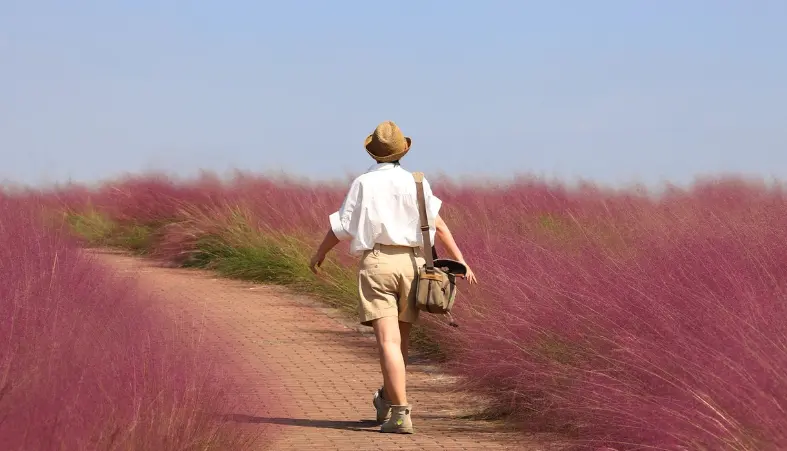
In recent years, the trend of slow travel has emerged as a direct response to the fast-paced, checklist-style vacations many of us are used to. Instead of rushing through multiple cities in one trip, slow travelers are opting to spend more time in fewer destinations, immersing themselves in the local culture and environment. Why Slow Travel Is Gaining Popularity Environmental Impact: Traveling slowly can help reduce the carbon footprint associated with frequent flights. Mental Health: Taking your time allows you to decompress and truly experience a destination, rather than feeling like you're constantly rushing to the next spot. Deep Connections: You get to know locals, discover hidden gems, and form lasting memories rather than just ticking off tourist attractions. Tips for Embracing Slow Travel: Choose One Destination: Rather than hopping between cities, focus on one area and really get to know it. Engage with the Local Culture: Learn the language, try local foods, and interact with residents to make your trip more meaningful. Opt for Alternative Accommodations: Consider homestays, rural escapes, or eco-lodges for a more immersive experience. Conclusion: Slow travel offers a refreshing break from the usual tourism rush, allowing you to recharge, connect with locals, and enjoy the small moments. It’s time to shift our focus from how many places we can visit to how deeply we can experience each destination.
Embarking on an Italian Adventure: A Complete Travel Guide from Rome to the Amalfi Coast
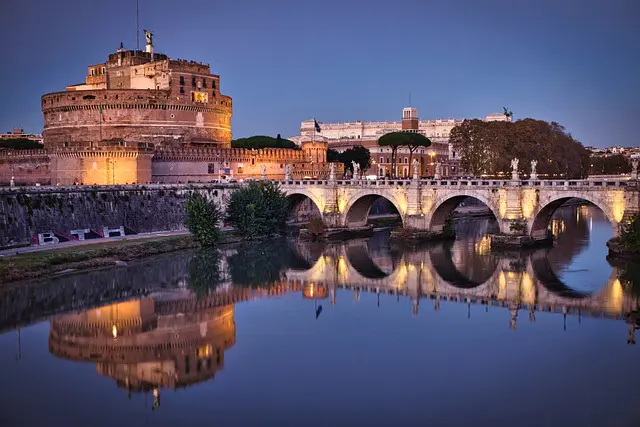
Italy, a nation steeped in romance and cultural wealth, offers a plethora of historical marvels, architectural splendors, and delectable cuisine. Journey from the timeless ruins of Rome to the chic Amalfi Coast, where an abundance of enchanting destinations and experiences await the intrepid traveler. Must-Visit Destinations in Italy: Rome: A journey through Italy is incomplete without a stop in its capital. Discover the Colosseum, Roman Forum, and Vatican City, which houses St. Peter’s Basilica and the Sistine Chapel. Florence: The cradle of the Renaissance, Florence is home to iconic sites such as the Uffizi Gallery, Ponte Vecchio, and the Florence Cathedral. Amalfi Coast: Renowned for its dramatic cliffs and idyllic villages like Positano and Amalfi, the Amalfi Coast provides breathtaking coastal vistas and serene seaside retreats. Culinary Delights to Savor: Pizza in Naples: As the birthplace of pizza, Naples offers the opportunity to taste the genuine Neapolitan pizza, characterized by its thin crust and simple, yet scrumptious toppings. Pasta: Italy's pasta varieties are globally celebrated, from the indulgent carbonara in Rome to the exquisite ravioli in Tuscany. Gelato: Ensure you indulge in some authentic gelato before leaving Italy. Florence, notably, has several renowned spots for their artisanal flavors. Practical Tips for Traveling in Italy: Car Rental for the Amalfi Coast: While Rome and Florence are best navigated on foot or via public transport, renting a car is advisable for traversing the Amalfi Coast's meandering roads. Advance Ticket Booking: Top Italian attractions, such as the Colosseum and the Uffizi Gallery, often have lengthy queues, so it's highly recommended to book your tickets online beforehand. Siesta Hours Awareness: Many businesses and eateries close for a few hours in the afternoon, so it's wise to plan your activities with this in mind. Conclusion: Italy is the ultimate dream destination for those who cherish history, culture, cuisine, and natural splendor. With its varied terrains and warm hospitality, it's clear why Italy remains a favored destination for globetrotters worldwide.
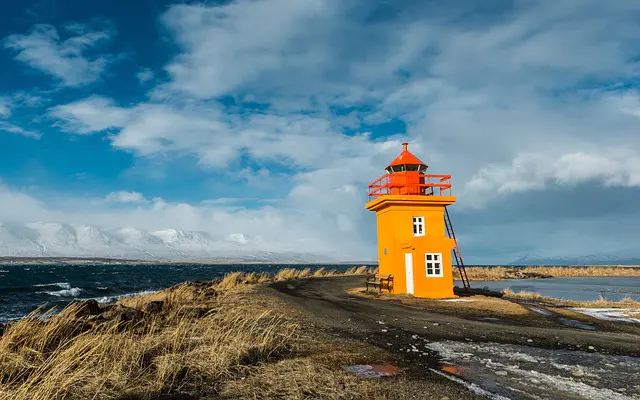
Discovering the Best of Iceland: A Traveler’s Guide to the Land of Fire and Ice
Iceland is a destination like no other, known for its dramatic landscapes of volcanoes, glaciers, and geothermal springs. Whether you’re hiking on glaciers, relaxing in the Blue Lagoon, or chasing the Northern Lights, Iceland offers a wealth of unique experiences for adventurous travelers. Top Places to Visit in Iceland: Golden Circle: This popular tourist route takes you to some of Iceland’s most iconic sights, including the Geysir Hot Springs, Gullfoss Waterfall, and Þingvellir National Park, where you can stand between two tectonic plates. Blue Lagoon: A must-visit for relaxation, the Blue Lagoon is a geothermal spa located near Reykjavik. Its warm, mineral-rich waters are said to have healing properties. Jökulsárlón Glacier Lagoon: This stunning glacier lagoon is home to floating icebergs and provides incredible photo opportunities. Nearby, you’ll find the Diamond Beach, where ice chunks wash up on the shore. Unique Icelandic Experiences: Chasing the Northern Lights: From September to March, Iceland is one of the best places to see the Aurora Borealis. You can book a tour to catch this breathtaking natural phenomenon. Caving and Lava Tubes: Iceland is home to several volcanic caves and lava tubes, including the Vatnshellir Cave, where you can take a guided tour to explore the underground world. Hiking in Landmannalaugar: This area in the Fjallabak Nature Reserve is famous for its colorful mountains, hot springs, and hiking trails. It’s perfect for those seeking adventure and stunning landscapes. Travel Tips for Iceland: Rent a 4x4 Vehicle: Iceland’s roads can be rough, especially in winter, so a 4x4 vehicle will help you get around safely. Pack for All Weather: Iceland’s weather is unpredictable. Be sure to pack layers, waterproof gear, and sturdy hiking boots, no matter the season. Respect Nature: Iceland’s natural beauty is fragile, so always stay on marked paths and be mindful of local environmental regulations. Conclusion: Iceland is a land of extremes, with otherworldly landscapes that make it one of the most unique travel destinations on the planet. Whether you’re an outdoor enthusiast or a culture seeker, Iceland offers an adventure you’ll never forget.

How to Travel on a Budget Without Sacrificing Experience
Traveling on a budget doesn’t mean you have to sacrifice quality experiences. With a little planning and smart choices, it’s possible to explore new destinations without breaking the bank. Smart Tips for Budget Travel: Travel Off-Peak: Avoid peak seasons to save on flights, accommodations, and activities. Use Public Transport: Rather than taxis or car rentals, use buses, trains, or metro systems to get around. Book in Advance: Secure lower prices on flights and hotels by booking well ahead of your trip. Budget-Friendly Accommodation: Hostels: For the social traveler, hostels offer affordable options and a chance to meet fellow adventurers. Airbnb: Rent a local apartment instead of staying at pricey hotels. Couchsurfing: For the ultimate budget traveler, Couchsurfing lets you stay with locals for free. Conclusion: Traveling on a budget requires smart planning, but it doesn’t have to limit your experience. With the right approach, you can make the most of your travels without overspending.

How screens have rewired our brains – and why putting pen to paper matters
Experienced typists write more quickly and efficiently on digital devices than by hand. The technology also helps them to edit, structure, organise and distribute their work. That’s why tapping away on keyboards is usurping the act of putting pen to paper. Handwriting, some say, is withering as though it were a neglected plant or dying out like an endangered species. Its survival can only be ensured through care. But is it something that we must protect – and, if so, why? Even analogue nostalgists surely accept that cultural practices can lose their importance and value over time. We would all rather be operated on with a laser beam than a hand axe.Handwriting’s decline can be dated back to the mid-1870s, when US gun manufacturer Remington launched the first commercially successful mechanical typewriter. Its benefits were clear – it allowed people to write letters more quickly and legibly – but warnings about the decline of culture and morality followed almost immediately. One sceptic even criticised the technology for threatening masculinity by replacing the pen as a “symbol of male intellectual creation” with a machine. But progress marched on unhindered. “Today we write more for private and professional reasons than ever before,” says Zürich-based linguist Andi Gredig. “We just do it less often with pen and paper.” People still rely on pens, mainly for notes, to-do lists and greeting cards, “as well as for signatures, which are still necessary in many official and legal contexts”, says Gredig. However, they’re less often used for long, coherent texts.That is unlikely to change. In Switzerland, where I live, primary schools are paying less attention to handwriting than ever before. Calligraphy lessons have long been abandoned and handwriting is no longer assessed. Decoration has ceased to be a priority: the Swiss basic script, which can be written quickly and is designed for clarity, has replaced ornate cursive script in all German-speaking Swiss cantons. Their curriculum, meanwhile, simply requires that pupils “learn to write legibly and fluently in their own handwriting”.Beat Schwendimann, the head of education at an umbrella organisation of teachers in Switzerland, thinks that this is enough. “Teaching time is limited,” he says. “The range of subjects taught is broader than it used to be, when it consisted of reading, writing and mathematics.” When pupils write at school, it’s no longer exclusively in German or on paper. “They still write by hand but they mostly use a computer or a tablet, as will be the case in their professional lives.”Finland has received top marks from the Organisation for Economic Co-operation and Development’s Programme for International Student Assessment, which evaluates educational systems by measuring 15-year-olds’ scholastic performance. In 2016, the country caused a stir when it relegated handwriting in schools in favour of computer skills in order to prepare pupils for the digital world.“Writing is one of the most complex skills of the human hand,” says Heinz von Niederhäusern, a retired psychomotor therapist from Zürich. “Handwriting is as individual as a fingerprint and deeply personal.” Though its appearance can be greatly affected by the situation of the writer, Von Niederhäusern doubts that one can accurately assess a person’s character from it. In the 1970s, however, graphologists attempted to do just that, as part of the recruitment process for companies – even though graphological reports don’t meet scientific standards.“Writing is not only a product of cultural evolution but also its driving force,” says Von Niederhäusern. The Sumerians began using cuneiform script and the Egyptians came up with hieroglyphs more than 5,000 years ago. With the advent of the first writing systems, complex societies emerged that recorded their laws and rules. The Phoenicians developed an alphabet with 22 consonants in about 1200 bce. The Greeks adopted it, added vowels, improved its legibility and made writing more precise. This development expanded their communication options and promoted abstract thinking. The Romans then adapted the Greek alphabet and created the Latin one, and spread it throughout their vast empire. It still forms the basis of our writing today.Medieval monks copied religious and scientific texts, preserving knowledge and promoting intellectual development. Influenced by the ideas of the Enlightenment, public schools that systematically taught reading and writing emerged in Europe in the 18th and 19th centuries. “The extent to which writing and thinking are interrelated is shown by the fact that in some of these schools only reading was taught, not writing,” says Von Niederhäusern. “The authorities considered the latter to be too subversive.”With the invention of Gutenberg’s printing press in the mid-15th century, writing shifted to mechanical processes, which made it easier for people to access written material. Such developments didn’t diminish the magic of writing by hand – that is, until typewriters revolutionised everyday office life and, more recently, smartphones reimagined most other forms of communication.Von Niederhäusern’s thumb and index finger grasp a pen and hold it like tweezers. The middle finger acts as a support, while the ring and little fingers are slightly curled up to help hold the pen. Joints bend and stretch; a dance begins. With gentle pressure, the wrist performs a pendulum movement inwards, then outwards. The hand and forearm move to the right. Eighteen small and 15 long muscles, 16 joints from the wrist to the shoulder and 24 bones are involved in this seemingly simple task.“No other organ of movement is as finely tuned and versatile as the hand,” says Von Niederhäusern. With the slightest uncertainty in movement, a line can become wobbly, the letter might tilt or the image become unclear. By contrast, when someone types the letter A or Z on a computer, all it takes is a finger to press on the corresponding key. Even if you hit the key while you’re tipsy, a perfectly formed letter will appear. The typist’s state of mind leaves no trace on the display but this process won’t inspire an idea that might encourage a typing frenzy. That’s the crux of typing quickly on a keyboard. Your brain’s motor and cognitive processes remain inactive until you begin to type.Children who write letters by hand remember their appearance more easily. They associate the sound of letters or phonemes with the movement and feeling of the pen scratching on the paper. But even subtle things such as the smell of the cleaning product in their classroom become part of their memory. “This creates a fine-meshed neuronal network in the brain,” says Lutz Jäncke, a neuropsychologist at the University of Zürich. When we write with our right hand, it activates the left half of the brain, where motor skills and language are located. All of the information that is needed for writing converges here. “The communication channels are efficient and the brain processes it so quickly that it can link a lot of other information to it,” says Jäncke. When typing, however, the information has to switch between the two halves of the brain because both hands are involved. This is a process that is prone to disruption, in which a lot of information is lost and “fewer connections are made”.Jäncke compares the neural network in our brain to a fishing net. The tighter it is, the more it catches. This strengthens memory and enables more unexpected associations. Thus a scent of a cleaning product (or the taste of madeleines dipped in tea) can suddenly be linked to a thought. These fine details become anchored in the memory and encourage imaginative ideas. The slowness of writing by hand promotes this process and enhances our thinking, memory and creativity compared to the speed of typing. “Those who write by hand get more out of their lines and circles,” says Jäncke.All of this is supported by several studies. One of the best known is by two US psychologists, Pam Müller and Daniel Oppenheimer. In 2014 they investigated how students’ handwritten and digital notes affected their learning. When asked about pure factual knowledge, there was no difference between those who wrote by hand and those who typed. But there was a gap when it came to conceptual knowledge, such as the question of how Japan and Sweden differed in terms of social justice. Those who wrote by hand came out on top. This was because they summarised what they had heard in their own words instead of writing things down word for word. “Our lazy brains, which are reluctant to put in much effort, tempt us to do this when we type on the keyboard,” says Jäncke. Even when laptop users were instructed not to take word-for-word notes, they still did worse in terms of conceptual knowledge than those who wrote by hand. What they typed tended to resemble half-digested ideas – not so conducive to learning or independent thinking.Finns are no longer focusing solely on typing in schools. They have recognised the benefits of handwriting in class. Many schools now combine handwriting and digital writing to support balanced development. Swiss writer Martin Suter experienced something similar in the 1950s, when his school attempted to “correct” his left-handedness. His teacher gave up after the third lesson. Suter was left feeling unhappy about his handwriting. That’s why he almost exclusively used a keyboard from an early age. He wrote journalistic pieces on ball-head typewriters, advertising slogans on a machine with a correction key, a screenplay on an ibm computer and novels on Apple devices. He produced 13 books, all written in the Courier typeface, which resembles typewriter text. Then his wife was diagnosed with cancer. Accompanying her to her examinations, Suter decided that he wanted to carry less paper with him. So he began to revise the novel that he was working on,Melody, in waiting rooms on a hybrid device – a tablet that combines handwriting with the advantages of the digital world. It converts text written with a pen into type and creates, as Suter says, “a distanced typescript”. After readingMelody, his wife said that it was different from what he usually writes. “It was more relaxed, more like a handwritten letter,” he says. He also wrote crime novelAllmen and Mr Weynfeldtin this way.What’s special about his tablet is the writing surface, which imitates the feel of paper and can only be used to jot down and manage readable information. There’s no internet browser, freeing him from online distractions so he can concentrate fully on his text. He is currently using the device to finish his next novel,Anger and Love, which will be published in April.He calls his hybrid writing “unplugged”. Is this the future? If it is, it won’t entirely be about handwriting, typing on a keyboard or a hybrid device. Mixed forms will emerge. Artificial intelligence has already made it possible to dictate words straight into text form. This is even faster than typing but requires “an enormous amount of work from the brain”, says neuropsychologist Jäncke. “Everything that you want to say has to be thought out in advance and structured in its basic outline,” he adds. However, AI can also automatically polish or even complete sentences. And yet, though it’s much slower and more time-consuming to formulate your ideas by hand, anyone who forgoes that old-fashioned process altogether will miss out on the chance to capture those thoughts that flower only when you’re writing them down. — LA version of this article originally appeared in ‘Neue Zürcher Zeitung’. It was translated by Monocle.
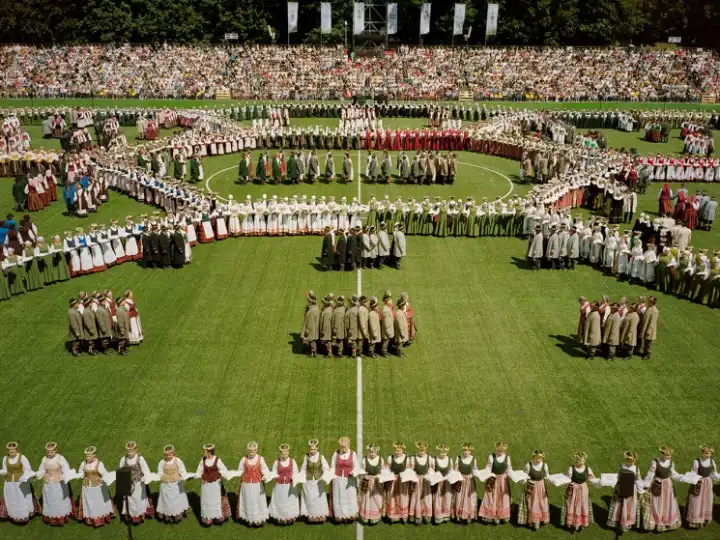
Lithuania’s Song Celebration marks a century of music, culture and unity
In the car park next to Vilnius’s Twinsbet arena, boys and girls in their finest attire are balancing instruments under their arms and looking over laminated sheets of Lithuanian marching music. It’s not long before everyone is due on stage and, over at a nearby catering tent, more musicians are loading up on pancakes, yoghurt and fruit. Alongside amateur youth groups from all over Lithuania, tonight’s concert also features the Baltic state’s professional military bands. Egle Juciute, dressed in a blue-and-red 18th-century-style uniform complete with gold-trim trousers, has been playing in Lithuania’s Military Orchestra for 14 years, an ensemble normally dispatched to welcome international dignitaries. “It’s a responsibility to be here and to play,” she says, flute in hand. Crowds have gathered to watch and the show is beamed around the country via the state TV broadcaster.The wind-and-brass band evening is just one event in a huge, week-long extravaganza known as the Song Celebration, which takes place every four years. The event, which marks its centenary this year and is also observed by neighbouring Latvia and Estonia, is recognised on Unesco’s lists of intangible cultural heritage. It is known for the staggering number of participants; in Lithuania’s case, 37,000 performers are taking part this year.Folk celebrations in Kalnai ParkPerformer at the football-stadium dance dayProcession from Cathedral Square during the final day of festivitiesChoreographed dancingLithuanians from the US enjoy a tippleLithuanian Air Force Band member ready to take the stageTonight’s concert, introduced to the repertoire just over a decade ago, is an acquiescence to the growing popularity of brass bands. Under the bright lights of the indoor basketball arena, there is a mishmash of outfits, including a group of young children dressed in black, complete with yellow rain boots, who run onto the stage as bands play behind them. Primed, prepped and beaming, there are barefoot girls in flower headdresses and others in red tartan who are shaking pom-poms, making it feel a little like a US beauty pageant. But it’s a piece of music set to a video and shown on a screen behind the stage that gets to the heart of what the Song Celebration is all about. It shows the Baltic Way – the peaceful, pan-Baltic human-chain protest that was staged against Soviet occupation in 1989. It stretched for hundreds of kilometres and was part of the “Singing Revolution”. Rich in symbols and symbolism, it’s a chance for independent, democratic Lithuania to get misty-eyed and in touch with its history. To finish the night, everyone gathers for a final rendition of “Kur giria zaliuoja” – an unofficial anthem that mentions Lithuania stretching “as long as the river flows” – as the night’s TV presenters put their arms around each other and sway, one of them gesturing that she has goose bumps. The self-reflection reaches fever pitch on the last two days, when everyone dons traditional dress. First there is the football-stadium dance performance which, at one point, has 9,000 people linking arms and moving in lines and circles on the pitch at the same time. Some of the people streaming into the stadium at speed occasionally lose the grip of the dance companion next to them, causing a panic to catch and rejoin the chain. The event culminates with song night, which features several hundred choirs and 12,000 people lined up in rows on an open-air stage that was custom-built in 1960 in wooded parkland. The same stage also stands in Estonia’s capital, Tallinn. The music is often traditional and folkloric but there is also space for new compositions, which often reference Lithuania’s pagan past.During one of the choir rehearsals for what proves to be a dizzying organisational and choreographic set piece, Saulius Liausa – choir conductor and the director of the Lithuanian National Culture Centre, which runs the Song Celebration – plants an oak tree on the edge of woodland near the stage. Ripe with symbolism, it’s designed to tie in with this year’s theme, which is “May the green forest grow”. As people take turns to shovel earth around the sapling, one heralds Lithuania’s independence while another salutes the young generation and the hope that they might sing the same way for another 100 years.Liausa says that in a small country like Lithuania, with a population of about 2.8 million, it’s essential to safeguard culture. “We have all kinds of laws and documents to protect nature,” he says. “But what we sometimes forget is that culture is also a fragile thing that needs protecting and that’s what we want to draw attention to.” He says that there are hundreds of customs and traditions that have been lost. And the Soviet past, in which the Song Celebration was hijacked by the occupiers, is still fresh in memories and painfully brought back to the surface by Russia’s invasion of Ukraine. “The wars that are happening in the world, Ukraine included, are about culture,” he says. “It’s language and culture that people are fighting for, not money or land as such. What we’re seeing in Ukraine – and what we also think here in Lithuania – is that a nation that really loves its culture and itself is very, very difficult to defeat.”Traditional dress at dance dayClarinet player from PalangaBackstage at dance dayYoung dancer waiting his turnSaulius Liausa, director of the Lithuanian National Culture CentreGetting ready at the makeshift hotel in the Vilnius Liepkalnis SchoolMusic teacher and conductor Rimantas JocysAt the dance day’s evening performanceGiven that view, it’s not surprising that the state plays such a top-down role. The celebration, which costs about €5m, is paid for by the country, with almost every procurement going out to tender; the provider offering the lowest cost wins. The price of helping to support a year-round ecosystem of dance and song clubs around the country, where people practise the repertoire, is harder to estimate but it needs support. While performer numbers have managed to stay stable, the number of music groups has been declining, even if the membership within those remaining is growing.Alongside the culture ministry, education, internal affairs and foreign affairs all play a part. Municipalities send delegates and help parents to chaperone groups of children, as well as providing buses to get people to the capital. The state spends €1.1m on keeping bellies full, dishing out 250,000 portions of food, and it turns schools into accommodation, which become makeshift encampments for a week. Monocle visits Vilnius Liepkalnis School, where more than 200 children and adults, mostly from Pasvalys, a city near the Latvian border, are either playing basketball outside, resting on green camp beds or reapplying make-up ahead of the evening’s celebrations. Ruta Jaruseviciene, from the municipality, shows us around. Remarkably, given the number of people temporarily living here, all is going smoothly, she says, even though six children came down with a mysterious vomiting bug the day before. Jaruseviciene offers us home-brew from several kegs in the makeshift bedrooms (the Pasvalys flag features a bull and hops in a nod to its beer tradition), while someone else is soon proffering a plate oflasiniai– seasoned and smoked pork served in slices. “I thought that the children would be tired after a full day,” says Jaruseviciene. “But they eat and then go wild!”During the dance day, performers pack into a backstage area to sit on rugs or pass out under the sun from the excitement and exertion. A German flag tacked to net fencing and a sign for the Chicago Suktinis – a dance troupe made up of Lithuanian American teenagers – point to the 2,000 performers from Lithuania’s diaspora who flock back to the motherland to be a part of this mass showing of collective memory. After the show, Monocle meets a dance group from Scotland, which includes an Indian with no link to Lithuania and an Argentine called Santiago Markus from Berisso in Buenos Aires province, whose grandfather is the son of Lithuanian immigrants. “It’s something I do to represent him,” he says of his second Song Celebration.Backstage at the Twinsbet arenaCollective from Chicago in Vilnius’s Town Hall SquareMuch-need break ahead of the final performanceMany young people like to take part in the folk celebrationsMilling in the crowds is Simonas Kairys, Lithuania’s culture minister, who is dressed in a traditional shirt from Dzukija in the south of the country. The minister calls himself a liberal and a globalist but he says that it’s important to show where you’re from. So, given the messaging and what can be seen as an interventionist approach towards culture, is this a political event? “Visit the Venice Biennale and you’ll see how art is affected by current events,” says Kairys. “This isn’t political but it’s the basis of statehood, humanity, a peaceful world. When you’re singing, you’re not fighting with somebody.”Some have reservations about elements of the Song Celebration, which are clearly designed to rouse the nation. “Too much is made of nationalism,” says Nerija Putinaite, associate professor at the Vilnius University Institute of Political Sciences. “The focus should be on civic, not ethnic identity.” Still, you would be hard-pressed to find anyone in the crowd, from cheering family members to someone who has travelled here from abroad, who isn’t overwhelmingly enthusiastic about the event, which has an atmosphere that often verges on the euphoric. By the time the last night of celebrations approaches, the mood is festive, with people tucking into sausages from food stalls and sipping beer orkvass, a sweet malt drink. Choir music – including catchy numbers such as “Zmones ant kalnu” (“People on top of hills”), conducted by one of the evening’s 31 conductors, all greeted like rock stars – can be heard well past midnight. The thousands of choral members are visibly elated, pleased to have eyes on them. On several occasions, a Mexican wave sweeps through the choir, with songs often finished with a collective ripple of jazz hands. The crowd responds, some singing along, raising phones where once there would have been lighters and enthusiastically applauding. To arrive at the stadium, the performers had assembled in Vilnius’s Cathedral Square and walked for several kilometres in a giant procession – often accompanied by more brass bands. They were waved on by people lining the streets, some of whom were perched on grass embankments to get a better view. Inside the park just before the clearing where the stadium stands, Micheline Beniusis is sitting on a bench, wearing a lilac dress, with a crown of flowers in her hair. Born in Montréal to Lithuanian parents, she is in her late eighties, which doesn’t seem to get in the way of her flying over to join what is a physically demanding event alongside three grandchildren and two nephews.“It’s very deep-rooted,” she says of the festivities, as the procession stream past her. And then her group of maple-leaf flag-wavers arrives, a sea of lilac and flowers, ready to pick her up to join the night’s mega-choir. She’s off with a wave of her hand – ready to belt her heart out in the name of Lithuania.Mega-choir on the last evening of the Song CelebrationTired but happy

The festival, record factory and app showing the music industry a world beyond streaming
How to start a music festivalPinkfish Music&Arts FestivalMalaysiaBefore Kuala Lumpur-based entrepreneur Kesavan “KC” Purusotman co-founded Pinkfish with Rohit Rampal, his childhood friend and business partner, the duo had spent more than 15 years organising music events and concerts. “There was a demand for live music after the coronavirus restrictions were lifted so we decided to realise our dream of putting on a music festival,” says Purusotman.The inaugural edition of the Pinkfish Music&Arts Festival in April 2023 featured international and regional headliners, from French producer DJ Snake to Malaysian rap star Joe Flizzow. In June 2024 the festival returned to the Sunway Lagoon theme park in Subang Jaya city, attracting some 15,000 attendees. “We wanted to focus on creating a unique atmosphere, one in which people could build a long-term relationship with the business and not just with the headline acts,” says Purusotman (pictured). “Music is the heart of every festival but it’s important to emphasise other elements too.” Purusotman also runs several satellite events under the Pinkfish umbrella, including Pinkfish Countdown on New Year’s Eve, indoor concerts and pop-up performances across Kuala Lumpur between its bigger calendar fixtures, from the Pinkfish Express (a party train featuring DJs playing in carriages) to artist sets in ice-cream shops.The sense of community generated by these events is a crucial part of what makes the brand unique. “It’s what music is all about,” says Purusotman. “If you go to almost any other concert, you’ll probably sit down with a few friends to enjoy the show and then go home. But there are no fixed seats at a music festival, so it’s easier to meet new people.”Large-scale events such as Pinkfish Music&Arts Festival are a boon for Malaysia’s tourism industry but strict government guidelines can make hosting them difficult. Earlier this year the Malaysian Islamic Party questioned why the Pinkfish Express event was allowed to take place on a state-owned train. Purusotman, however, believes that it’s possible to find common ground with the authorities. “There’s still a long way to go before we can realise our goals but the dialogue with officials is moving forward. I’m grateful for that.”pinkfishfestival.comThe fairer music appEvenNew York“I got lucky,” says Mag Rodriguez, reflecting on his 12-year career in the music industry. During his final year of high school, Rodriguez started managing a classmate who then broke onto the global rap scene. “We toured the world for six years,” he says.When you meet Rodriguez in person, you get a sense of why he did so well as a manager: he’s easy to warm to. That magnanimous spirit is at the heart of his latest venture, Even. Most artists make little money from sharing their music on services such as Spotify. Even seeks to address the issue by offering music creators a “direct-to-fan” model. “With the major streamers, you can get access to almost every song ever created through subscriptions for about $12 [€10] a month,” he says. “But you can only split that fee in so many ways and the platform also has to take a cut.” On average, artists make about a third of a cent per stream.Rodriguez says that Even isn’t seeking to replace the big streaming services. “I tell people to think of it like a cinema,” he says. “Artists release their album on the app seven to 30 days before it’s officially out everywhere else.” They can also encourage fans to buy their music by giving out rewards such as backstage passes.Recently an artist making $700 (€630) per month from streaming earned $40,000 (€36,000) in 30 hours on Even. But Rodriguez (pictured) is equally excited by musicians who have gone from never making money from their work to earning their first $25 (€19).Rodriguez is especially animated when he talks about the app’s community-building potential. Not long ago, he says, fans of one of Even’s artists planned to meet up before a gig. Tracking this through the app, the performer decided to make a surprise appearance. “Social media has created a false sense of how big fan bases are. But nothing beats realising that these are real people on the other side.”even.bizMaking vinyl payRecord IndustryHaarlem, NetherlandsAnouk Rijnders (on left) with Ton and Mieke VermeulenThe record manufacturing process demands deep concentrationFactory worker Jos van Wieren is carefully peeling a stamper negative from its “mother” disc when we meet him at Record Industry in Haarlem. The creation of stampers, which are used to press grooves into vinyl, is just one of the labour-intensive stages of making a record. “It’s likeCharlie and the Chocolate Factory,” says the company’s chief commercial officer, Anouk Rijnders, striding through the 6,000 sq m warehouse.Bubbling blue vats of solvent, sapphire and diamond cutting heads, and gleaming, direct metal mastering discs are all part of the process of turning PVC slabs (or “biscuits”) into records. From a special edition of Pink Floyd’sThe Dark Side of the Moonto the tunes of Dutch rock band The Vices, this factory presses as many as 10 million discs per year.Despite dire warnings over the decades that CDs, MP3s, online piracy and, more recently, streaming services would spell doom for the vinyl format, Record Industry has kept the decks spinning. “I have been working here for almost 25 years and this is probably the fourth time I have seen vinyl making a comeback,” says Rijnders. “It never really goes away.”Founded as Artone in 1958 and now run by husband-and-wife team Ton and Mieke Vermeulen, Record Industry is a place where historic machinery meets modern automation. As an artist manager and record-label owner, Ton was a long-term client of the press before 1998, when Sony Music decided to sell it. He admits that he had concerns about the future of the business when he bought the factory. “It felt as though a new record plant was closing every month because of the decline in vinyl’s popularity at the time,” he says.Record Industry’s status as a family enterprise and its commercial flexibility have been crucial to its survival. It can press about 40,000 discs a day, in as many as 20 different colours (or a mixture of them), and make records using plant-based bioplastics. The building is also equipped with a direct-to-disc recording studio, which regularly attracts musicians. It’s an elaborately furnished space, containing everything from Rijnders’ grandmother’s rug to hi-tech cutting equipment.Mieke, who serves as Record Industry’s chief financial officer, says that the height of the coronavirus pandemic was a boom time for the company. “There were no festivals or concerts but people who liked music still wanted to spend their money on it,” she says. “A lot of people started cleaning up their house, starting with the attic, and found their record players. Putting on a record is not just listening to music; it’s quality time for yourself. If you listen to music on streaming services, you can go for hours without doing anything. But if you play a record, you have to stand up and turn it over. It’s mindful.”Though demand has dipped since then, many continue to buy records to support their favourite artists. Staff members also point out that, though vinyl is a form of plastic, it is far from a throwaway item. “We’ve made our production process as sustainable as possible,” says Ton. “Our electricity is solar- or wind-powered and the gas that we use for our boilers is co2 compensated. Plus, the cardboard used for packaging is fsc-controlled.” For the team at Record Industry, the business is as much about sharing an enthusiasm for the format as it is the bottom line. “It’s something to hold, admire and be proud of,” says Rijnders.recordindustry.com
Setting Out on the Ultimate Journey by Car
Hitting the open road is a timeless travel experience, offering the liberty to explore and the excitement of discovering new places at your own pace. To make your upcoming road trip a memorable one, follow these guidelines for an extraordinary adventure. Key Steps for Planning the Ultimate Road Trip: Choose Your Route: Decide if you want to travel a famous scenic byway, like the Pacific Coast Highway, or if you prefer to explore less-traveled paths. Gather Your Supplies: Make sure you have all the necessities, including food, water, first aid kits, and entertainment for the extended journeys. Plan Your Breaks: To keep spirits high and maintain interest, include regular stops at beautiful locations, quirky roadside attractions, or national parks. Boosting Your Road Trip Experience: Create a Playlist: A carefully selected collection of music can enhance the ambiance of your trip, so put together a playlist that captures the spirit of your journey. Keep a Travel Diary: Chronicle your adventures, insights, and the stunning views you come across through a written travel diary. Closing Remarks: The true magic of a road trip is found in the journey, not just the destination. With careful planning and a sense of adventure, you can create a road trip that will become a treasured memory for years to come.
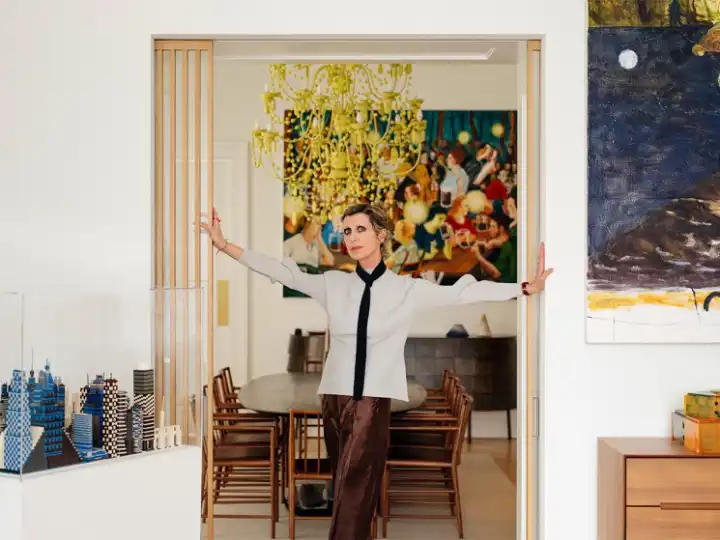
The art of collecting and why people do it
Artwork in a gallery or a booth of a fair can look very different once you get it home. We meet two collectors in New Delhi and New York to find out what decisions go into the acquisition of pieces and how they live alongside their purchases, from gilded Renoir paintings to sculptures made from car doors and plasterboard. Meanwhile, in Tallinn, we hear from a pop art aficionado about why serious collectors shouldn’t overlook the sometimes misunderstood movement. All offer advice worth heeding, whether you’re a seasoned pro or just starting out.The home curator Valeria NapoleoneNew York, USAWith its white walls and chevron parquet floors, the entrance hall of Valeria Napoleone’s Park Avenue apartment resembles a gallery. On display in the narrow space are two sculptures, both dating back to the late 1980s. Joan Wallace’s “The Frigidaire Painting (Like a Pariah)” is a refrigerator and video monitor sculpture, while Jessica Stockholder’s “The State of Things” consists of a car door, Sheetrock, wood, cloth and a light. Unlike the sorts of artwork that you might find in other people’s homes, which tend to blend in with their surroundings, these are impossible to ignore.Collector Valeria Napoleone in her New York home“Every piece in my collection surprises me,” says Napoleone, who has been buying pieces for the past 30 years. She focuses on the work of female artists and her collection is spread across her homes in London and New York. Some pieces are kept in storage; she periodically rotates the works on display. “When you change the installation, you change your relationship with the room, as well as the balance of the space,” she says.Born in Italy to parents who furnished their home with antiques, Napoleone has always been fascinated by materiality. “When I started collecting in the mid-1990s I felt so engaged and so attracted to the work of artists who were using alternative materials,” she says, adding that the contemporary-art market has expanded enormously for younger creatives. “Back then, I could buy a major piece for a few thousand dollars,” she says. “Now the entry price is at least 10 times that.”Joan Wallace’s “The Frigidaire Painting (Like a Pariah)”Sculpture by US artist Alake ShillingNapoleone has always bought what she loves. “I don’t look at art as an investment,” she says. “It’s my passion.” Within her otherwise neutral apartment are bold works such as Janet Olivia Henry’s blue and black Lego piece, displayed in a glass box, and Pae White’s Sunshine Chandelier that hangs in the dining room. “I love sculpture because it demands your attention,” she says. “It is not just a piece hanging on the wall. You have to acknowledge its presence.”One of her top tips for collectors is to ensure that they have the right space to accommodate their treasures. Another is to have patience. “You need to train your eye by looking at different things. Learn what your taste is and buy only what you like.”––Mary HollandThe talent spotterAparajita JainNew Delhi, India“How else do you understand humanity but through art?” asks Aparajita Jain, managingdirector of Indian contemporary art gallery Nature Morte. “This room encompasses years of human existence.” She’s referring to the works surrounding us at her palatial New Delhi home. Among them is a gilded Renoir, an Alberto Giacometti sketch, a Picasso, a Degas bust, a mobile by Polish-German artist Alicja Kwade and contemporary art by Indian artists Thukral and Tagra. It’s a lot to take in but Jain says that the collection has helped her to understand herself better. “I collect people’s ideas and their understanding of life, and hope that engaging with them will expand my horizons,” she says. Jain acquired much of the collection over the past decade but she has been buying pieces since she was 22 years old, encouraged by her grandmother, the matriarch of the Borosil glassware family. While she’s chosen much of the art here, her businessman husband, Gaurav, and, increasingly their daughter, Devashi, have picked recent purchases.Aparajita JainSculpture by Subodh GuptaIt’s a collector’s eye, she says, that makes her a successful gallerist and many of the artists who her gallery represents are also present in her personal collection. “Sagarika Sundaram’s mind is exceptional,” she says of an artist represented by Nature Morte. “I can’t think like her so I want to possess her work.” Jain’s career has been defined by her desire to promote young artists such as Sundaram. In 2005 she launched Seven Art gallery; in 2012 she started a non-profit that helped to launch Jaipur’s exceptional Sculpture Park. Six years later she created blockchain-based marketplaceterrain.art, with the objective of being a bridge between younger South Asian artists and collectors in the West. In 2025, though, she finds the Indian art market far more exciting. “I’ve been travelling extensively and find the mood in India is opposite to that in the West,” she says. “Western economies could be slipping into recession. In India we have a country that’s finally finding its voice, both in terms of aspirations and the quality of art being produced.” Is it time, then, for foreign galleries to set up shop in the country? “They will come eventually,” she says. “I’m sure of it.”––Prasad Ramamurthy The pop art connoisseur Linnar ViikTallinn, EstoniaThough Estonia wasn’t at the centre of the pop art movement, which emerged in the 1950s, Tallinn is now home to one of Europe’s largest museums dedicated to the genre. The PoCo Pop&Contemporary Art Museum showcases 340 artworks, including pieces by big hitters such as Roy Lichtenstein, Jean-Michel Basquiat and Jeff Koons. Here, its founder, Linnar Viik, tells us about the merits of buying pop art and shares some tips for prospective collectors.–– Petri BurtsoffLinnar ViikRoy Lichtenstein’s ‘Hopeless’ (centre)Which are your favourite works in your collection?My collection is extensive because I focus on the past, present and future of pop art. It includes several noteworthy pieces by famous people including Andy Warhol, Damien Hirst and Banksy but my favourite works are those in which an artist revisits one of their earlier pieces. For example, Estonian artist Raul Meel added new elements to “Singing Tree”, his 1970s “typewriter drawing”.Do you have any tips for budding collectors who are interested in pop art?The most important thing is to ensure that your collection makes you happy and speaks to you in some way. You should also have a specific place to display it. Pieces of pop art, like works from any movement, don’t belong in the cellar. I refuse to see art as an asset category that you collect for its monetary value. As a movement, pop art was born of the desire to make art more approachable and democratic. Following that ethos, I don’t think that budding collectors should focus all of their energies on looking for first-edition or limited-edition pieces.Why should people collect pop art?It’s so honest and courageous in how it reflects and interprets the world. It’s also an easy way to become an art collector because it’s widely available and affordable. It’s an art movement that speaks to people immediately, making it easier to approach. But the more that you collect, the more you will start to see the hidden layers and the deeper meanings in the artworks.poco.art
Discovering the World Responsibly: A Comprehensive Guide to Eco-Friendly Travel
Sustainable travel is not just a passing trend; it's a commitment to preserving our planet. As tourism contributes substantially to global carbon emissions, it's imperative for travelers to embrace sustainable practices. Here's how you can explore the globe while reducing your ecological footprint. Understanding Sustainable Tourism Sustainable tourism is about deliberately lessening the adverse impacts of travel on the environment, society, and economy. It's about enhancing the places you visit and ensuring their prosperity for years to come. Core Principles of Sustainable Tourism: Honor Local Heritage: Always respect the local customs, heritage, and lifestyle. Reduce Environmental Impact: Opt for green travel modes, such as trains or buses, instead of air travel when feasible. Boost Local Economies: Support local businesses, eateries, and lodgings to directly contribute to community welfare. Eco-Conscious Travel Advice: Select Green Lodgings: Seek out accommodations that prioritize renewable energy, recycling, and water conservation. Travel in the Off-Peak Season: Off-peak travel alleviates overcrowding and lightens the environmental toll of tourism. Engage in Preservation Activities: Participate in local efforts to protect the environment, from wildlife protection to coastal cleanups. Final Thoughts: Sustainable tourism is the wave of the future. By being conscientious about your travel choices and the impact they have, you're ensuring that the natural and cultural wonders of our world will be available for future explorers to enjoy as you have.
Embarking on the Ultimate Road Trip Adventure
Embarking on a road trip is a classic way to experience the joy of travel, with the freedom to meander and the thrill of uncovering hidden gems at your leisure. To make your next road trip one for the ages, consider the following steps to ensure an unforgettable experience. Essential Planning Steps for the Ultimate Road Trip: Select Your Path: Consider whether you wish to traverse a renowned scenic route, such as the Pacific Coast Highway, or if you’d rather venture into lesser-known locales. Prepare Your Gear: Ensure you have all the essentials, from sustenance and hydration to medical kits and entertainment for the long drives. Incorporate Pit Stops: To maintain energy and interest, schedule regular breaks at picturesque spots, unique roadside stops, or national parks. Enhancing Your Road Trip Experience: Craft a Soundtrack: A well-curated playlist can elevate the mood of your journey, so compile one that resonates with your trip's essence. Carry a Journal: Document your experiences, observations, and the captivating sights you encounter through a travel journal. Final Thoughts: The essence of a road trip lies in the voyage itself, rather than the final destination. With meticulous planning and a spirit of adventure, you can craft a road trip that will become a cherished memory for a lifetime.
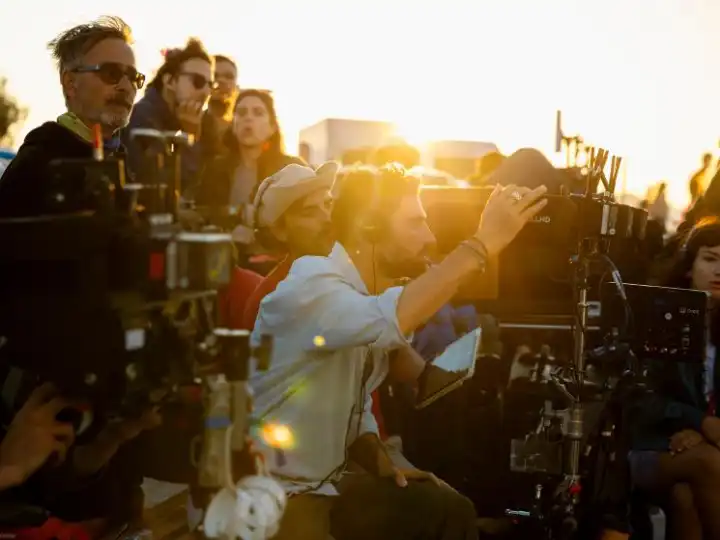
Behind the scenes at Studio Galazio: Challenging Greek stereotypes through regional storytelling
It’s a clear day in Mykonos and Studio Galazio is shooting its debut feature along the Greek island’s port promenade. No one, however, has banked on the six cruise ships that have decided to show up, delivering hundreds of day-trippers onto terra firma. Crew members in hi-vis yellow gilets are trying to move through the crowd, redirecting those who have paused to take pictures. The film’s director of photography crops the shot tighter to keep the disobedient tourists – including a Spaniard who is convinced that she has spotted Paris Hilton (she hasn’t) – out of frame. “We honestly haven’t had too many difficulties,” says the film’s writer, director and co-producer, Christopher André Marks. “Shooting live at the port was always going to be a challenge because it’s so busy.”First take – and not the lastDirector of photography Christos KaramanisChristopher André Marks (wearing headphones) watching the action unfurlSporting a half-unbuttoned shirt, Marks is rarely stationary, giving advice to his actors one minute and then shifting to watching the action on a handheld screen the next. Alongside his numerous jobs on set, he’s also the founder of Studio Galazio, whose name is taken from the Greek for “light blue”. This film, which everyone on the shoot is tight-lipped about, is an as-yet-untitled feature loosely billed as a heist comedy in the vein ofOcean’s Eleven. It could see a release in late 2025.Marks is a Greek-American raised in California who spent years working in film production in New York, including for the likes of ESPN and HBO. The 36-year-old’s breakthrough moment was directingKing Otto, a 2021 documentary about Greece’s improbable triumph in the Euro 2004 football tournament under German manager Otto Rehhagel. The film was released in 75 countries and boosted the profile of Studio Galazio, whose mission to get more Greek stories on screen. “Being Greek is kind of a dominant trait; it’s an inherent part of who you are,” says Marks from a table at a nearby restaurant, as actors and crew break for lunch. “But I also see Greece as an opportunity.”Marks is the film’s writer, director and co-producerMarks is quick to recognise that Greece is already having what some might call “a moment”. The country has been steadily recovering from its 2009 economic crisis, with Athens luring investors and remote workers as a result of its relatively low cost of living and clement weather. Marks hopes to “add to the momentum” of Greek cinema, which has seen Hollywood arrive on its shores thanks to an attractive 40 per cent tax-rebate programme. There is also plenty of regional talent, from production crews to actors. TakePoor Thingsdirector Yorgos Lanthimos, who rose to prominence in 2009 following the success of his Greek-language filmDogtooth, which won the Un Certain Regard prize at Cannes Film Festival. The recent popular Greek Netflix drama seriesMaestro in Blueis further proof that the talent pool is deep. Two of the show’s leading figures, Klelia Andriolatou and Maria Kavoyianni, also happen to be in Studio Galazio’s new production. When Monocle visits, Andriolatou is shooting a scene at windmills near Mykonos’s port with celebrated actor Panos Koronis.As part of its mission to showcase Greek stories, Studio Galazio combines universal themes with Greek topics, which are neatly packaged for a global audience that’s increasingly comfortable with foreign content. Marks is keen to show that Greece is more than just a sunny setting for films. “The country makes for a beautiful backdrop; many foreign producers shoot here,” he says, referencing features such as Richard Linklater’s 2013 romantic drama,Before Midnight. “But what we’re trying to do is showcase Greece from a storytelling perspective.”Filming at Mykonos’s iconic windmillsKey movie propTakes and more takes at the windmillsGiven that the characters in Marks’s Mykonos film are from different parts of the world, English is the predominant language as the drama unfolds. But if two Greek characters are speaking, then the scene plays out in their native tongue. Most of the crew are Greek, as are some of the producers, including basketball player Giannis Antetokounmpo, who has a production role via his company Improbable Media. But there are also Italian, French, Spanish and Turkish speakers on set. They are joined by international on-screen talent including the likes of US actor Vito Schnabel and Italy’s Riccardo Scamarcio. “The ensemble aspect of the film was key for me,” says Marks. “Ocean’s Elevenwas shot with Brad Pitt, Matt Damon and Bernie Mac. I really wanted to have that same kind of team, where every single actor could carry a film on their own.” Still, Marks admits that the budget for the shoot is modest, though co-producer Ginevra Tamberi is quick to add that it is on a par with some other European films.We shift locations to the interior of one of the windmills that faces the twinkling Aegean. On the day Monocle visits, it doubles as a make-up studio. Tamberi is sitting on a sofa and keen to emphasise the tightknit nature of the crew. “They have all grown so close to Chris,” she says. “They see the project as a love letter to Greece – and they want to be a part of it.” Tamberi has known Marks for more than a decade and the pair have always said that they would make a film together. Tamberi left a job at Amazon MGM Studios before making it happen and is sure that it was the right decision. “I believe in Chris,” she says. “And I believe in storytellers. They should be given every opportunity to showcase their vision.”But Tamberi isn’t the only one to have been left with a lasting impression of Marks. The film’s production designer, Kostas Pappas, is in charge of scoping out and dressing sets, including a fishing village that we visit about a 30-minute drive from the windmills. Pappas is a colourful character who cut his teeth in New York and has worked on films such asThe Bourne Identityand Lara Croft:Tomb Raider – The Cradle of Life, both of which were shot in Greece. Standing beside one of the windmills as the sun goes down, he describes being struck by Marks’s humble demeanour when he first called him about the project. “For me, it was a comfortable job,” he says.“What was more interesting was the way that Chris approached me. I liked his story as a Greek trying to find his roots.”Scenic painter Apostolis PolychroniadisCo-producer Ginevra TamberiWhile there is a lot resting on Marks pulling off the Mykonos heist film, it hasn’t stopped him from planning future productions. He is currently laying the groundwork for two other projects: a biopic and what he calls a “prestige series”, an industry phrase used to refer to complex, big-budget content. It’s all part of an effort to build a recognisable brand for Greek film. “People know when they’re watching French or Italian cinema,” he says. “It would be great if Greece had that same kind of identity.” Perhaps his Mykonos feature will be the first step towards making it happen.Lights, camera, Athens:Projects filmed in Greece1. Mykonos (Title TBC), 2024Studio Galazio’s debut follows a group of thieves as they rob rude tourists – and a love story that crosses the divide.2.‘Maestro in Blue’, 2022-presentNetflix’s first Greek series, on the island of Paxos, taps into forbidden love.3.‘Glass Onion: A Knives Out Mystery’, 2022A murder mystery set on a billionaire’s private island.4.‘Beckett’, 2021A tourist loses his girlfriend in a car accident and is caught up in a political manhunt.5.‘Tehran’, 2020-presentThis Israeli Apple TV+ series turns parts of Athens into Iran’s capital.
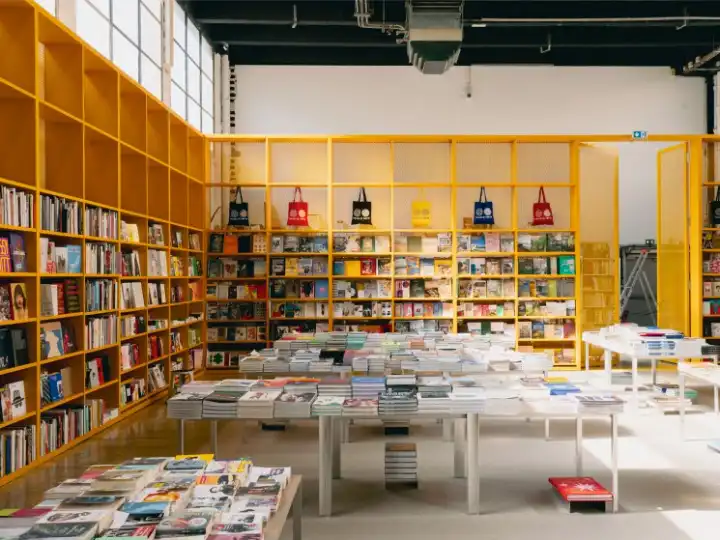
10 of the best bookshops in Paris
The richness of Paris’s reputation as a centre of literary creation veers close to being a trope. It was here, in 1791, that one of the first-ever copyright laws, designed to protect authors, was enacted. FromNotre Dame de ParistoLes Misérables, the capital is also the setting of many of French literature’s best-known exports.With its 400 bookshops, Paris has succeeded not only in ensuring their survival but enabling them to thrive as the economy of bookselling has undergone a transformation around the world. Ultra-competitive pricing from online marketplaces and skyrocketing commercial real-estate leases have combined to put bookshops in major cities in a difficult spot. But booksellers in Paris have two key advantages.The first is France’s “Loi Lang”, named after president Francois Mitterrand’s culture minister, Jack Lang. This 1981 legislation, originally intended to protect independent bookshops from aggressive wholesaler pricing, outlawed discounts of more than five per cent on new releases, ensuring equal book prices nationwide. So even in the age of online retail, France is the country with the most bookshops per capita and is home to 3,500 independent bookshops. The second policy is one for which Parisian booksellers have former mayor Bertrand Delanoë to thank. The city of Paris started buying up Latin Quarter real estate with the objective of leasing it to bookshops at below market rate. The city is now landlord to 25 per cent of all bookshops across Paris.Here, we visit 10 bookshops that exemplify Paris’s literary prowess. From preserving 15th-century manuscripts to feeding the appetite forbandes dessinées, these are the stores turning over new pages in the city’s literary history.To enjoy Monocle’s full Paris City Guide, click here.1.7LKarl Lagerfeld’s voracious appetite for books was legendary. One story involves his chauffeur loading up a car full of books after the fashion designer visited a single bookshop. It seemed only natural, then, for Lagerfeld to start his own bookstore, 7L, at number seven Rue de Lille in 1999.While the studio housing his personal book collection is sadly not open to the public, the bookshop at the front of the building offers one of Paris’s sleekest collections of coffee-table books on the visual arts, from architecture to street photography. Booksellers at 7L also offer a service that builds collections for clients seeking to fill shelves with works in tune with their personal literary and aesthetic interests.After Lagerfeld’s death in 2019, Chanel acquired 7L and has big plans for its book club, the Salon 7L. It meets on the first Wednesday of every month for readings and cultural events as diverse as its founder’s artistic pursuits. “I wanted 7L to continue being a place of living creation, celebrating Karl Lagerfeld’s love of books and photography,” Laurence Delamare, 7L’s director, tells Monocle.librairie7l.comDate founded: 1999Recommended book: Journal d’un Peintre suivi de Lettres Provencales (selected writings of arts patron Marie Laure de Noailles)Number of titles: 2,5002.La ProcureOf the handful of Parisian bookshops that have been open for more than 100 years, La Procure on Place Saint- Sulpice might be the most successful today. Originally a supplier of goods to the Catholic church – from pews to pipe organs – La Procure has become the European leader on religious books, with a thriving network of 26 shops and franchises across France.When Monocle visits, Elie Khonde, a priest from the Democratic Republic of Congo, is stocking up on volumes to take home after completing a summer seminary near Paris. But, over time, La Procure has expanded beyond prayer books, religious art and sculpture. More than half of the shop’s space is dedicated to a general audience, from political memoirs tobandes dessinées.“We might advise others against it but we will order any book a customer requests,” says La Procure’s CEO, Thomas Jobbé-Duval (pictured above). “It’s in bookshops, including ours, that the diversity of points of view is best fostered. We are almost the opposite of social media. Rather than narrowing down viewpoints, we facilitate openness and exchange.”laprocure.comDate founded: 1919Other items on sale: Groceries made in monasteries or conventsAnnual turnover: €8m3.Librairie Paul JammesLibrairie Paul Jammes is not the place for you to pick up an ephemeral beach read. Instead, every rare book inside is a piece of our collective history. The shop, which specialises in rare tomes and typography, proves that these objects aren’t a thing of the past – the digital world has made them more important.Esther Jammes (pictured above) is the fourth generation of Jammes booksellers to take over the family business. When Monocle visits, she picks up a 1485 vellum astronomy book detailing lunar and solar eclipses in colour – its glaring red and yellow charts as bright as they must have been 500 years ago. Nearby, a statue of Gutenberg gazes approvingly at a printing press from the era of the French Revolution.“People who come in out of curiosity sometimes ask whether this is a museum,” says Jammes. “I tell them that the difference is, for a price, you can leave with the exhibits you like.”To be surrounded by these books, from typography catalogues to a first edition ofMadame Bovary, is to be reminded that human progress – even in the age of smartphones and AI – owes a lot to books. That fact permeates France’s bookshop culture and its proud custodians, Jammes included.librairiejammes.comDate founded:1925Oldest book in the shop:1485 edition ofDe Sphaera Mundiby Johannes de Sacro BoscoNumber of employees:14.ArtazartIn July 2000 journalists across Paris received a bright orange, Artazart-branded hard hat. Balled up inside was an invitation to attend the construction- site-themed opening party of a new bookshop and cultural space on the Canal Saint Martin: “Artazart, the bookstore of creation.” Next year,the shop will celebrate 25 years of housing graphic design publications and events.“When we started, we would host up to two events a week,” says Jérôme Fournel, co-founder of Artazart. Sitting beside fellow founder Carl Huguenin, he recalls a time when running Artazart involved a lot of white paint and elbow grease to allow one graffiti artist after another to use the bookshop walls as a celebration of creativity. “We were never strictly a bookshop,” says Huguenin. “There isn’t really another structure like ours that intrinsically mixes illustration and books.”Artazart’s offering, which ranges from magazines to limited-run artist books, is selected by Laetitia de la Laurencie, Artazart’s book curator. Her meticulous attention to paper quality, layouts and typographic choices when picking books earned her a place running Artazart alongside Huguenin and Fournel. “People come from around the world,” she says. “They are delighted to discover in France places with this kind of richness.”artazart.comDate founded:2000Recommended books:Homelandby Harry Gruyaert (Carl);Viaggiby Luigi Ghirri (Laetitia);Ishimoto, Lines and bodies– a monograph of late Japanese photographer Yasuhiro Ishimoto (Jérôme)Number of staff:95.Palais de TokyoAlongside its dynamic contemporary art space – complete with a nightclub and gourmet café – Palais de Tokyo also boasts one of the coolest bookshops in Paris. Created in partnership with German art-books publisher Walther König and French literary magazineCahiers d’Art, the store blends König’s expert eye and the magazine’s 1920s style to create a unique space that carries the biggest selection of art books in Paris.“We have a big and luminous space where the public is not only attracted to the books on the tables and yellow shelves but also our colourful design objects and our magazines section,” says bookshop manager Arnaud Fremaux. Among the trinkets that visitors can purchase, along with their favourite artists’ catalogues or the latest issue ofLes Inrockuptiblesmagazine, are solar-powered lamps by Olafur Eliasson and tongue-in-cheek pills, by artist Dana Wyse, that promise profound improvements to your life or personality upon swallowing.Arnaud FremauxBeyond the curated selection and prime location in the heart of the Trocadéro, Fremaux considers the museum’s clientele the key ingredient that makes the bookshop such a vibrant space. “The Palais de Tokyo’s programme always attracts an interesting crowd, and the store is the place to spend a moment of relaxation after seeing an exhibition,” he says.palaisdetokyo.comNumber of titles:1,500Recommended book:Donald Judd Furnitureby the Judd Foundation and MackbooksNumber of staff:66.Yvon LambertWhether or not you live up to your family’s legacy is a classic French plot found in stories by writers from Roger Martin du Gard to Balzac. Perhaps that is why Ève Lambert, daughter of legendary Parisian gallerist Yvon Lambert, felt compelled to create a different legacy all together.The sleek and cosy result is the Librairie Yvon Lambert, which offers publications on fine arts and photography, a well-stocked magazine wall and an art gallery. “We wanted to continue having a space to organise exhibitions, both with new artists and artists that Yvon has a history with,” Ève tells Monocle.Ève continues to manage the space alongside her father. The pair also run the Yvon Lambert publishing house, which releases limited edition books featuring original works by artists who the Lamberts are close to. “Matisse and Picasso made such books, where there was a relationship between the artist and the author,” says Yvon. “That is the tradition I am carrying on.”This combination of activities has been a hit with serious art aficionados as well as digital natives. “We have a very young audience that has always known smartphones – and they buy books,” says Ève. “It shows that there is continued affection for the book as an object.”yvon-lambert.comDate founded:2017Recommended book:Motel 42by Éloïse Labarbe-LafonRecent exhibition:Allegoria Con Ortaggi, Pollame, Cesti E Vasellame, a sculpture exhibition by Luca RestaProtecting books in a digital ageLibrairie Michel BouvierEvery visit to my uncle Michel Bouvier’s rare-books shop in Saint Germain des Prés yields a captivating new tale about a recent acquisition (writes Simon Bouvier). Prints of Soviet-era propaganda photos taken by Ukrainian photographer Yevgeny Khaldei. A handwritten letter by a young Claude Monet breathlessly recounting a recent visit to an exhibition. A tiny medieval prayer book with a golden clasp. Every object carries meaning beyond its message. Whether glossy paper or pristine vellum, its form holds a snapshot of human interactions.Practical, economic and strategic considerations have shifted the attention of consumers and policymakers to the digital realm. But bookshops have something that the efficiency-driven economy of algorithms and convenience can’t replicate.“On the internet, you find what you seek,” says my uncle (pictured). “But in a bookshop, you find what you weren’t looking for.” This sense of discovery doesn’t just result in a potential sale. It also fosters the community and awareness that are the lifeblood of civic life.Thanks to my uncle, I know that bookshops matter. Whether you are a powerful mayor or humble reader, support for them shouldn’t merely be a political afterthought or a hip badge of honour. They require serious investment that pays priceless dividends.Simon Bouvier is Monocle’s Paris bureau chief7.GalignaniItalian publisher Giovanni Antonio Galignani of Lombardy established the Librairie Française et Étrangère bookshop in Paris in 1801. Today a stone plaque outside the door reads: “The first English bookshop established on the continent.” An astute businessman, Galignani also started an English newspaper widely read by the anglophone movers and shakers of the time, including Lord Byron and the Marquis de Lafayette. More than 200 years since its founding, the bookshop – now known simply as Galignani – is back in the hands of its founder’s descendants, with Anne Jeancourt-Galignani at the helm. “Our family had moved away from the profession of bookselling for a few generations,” says Jeancourt-Galignani. “I took over the leadership of the bookshop a few months ago, which has allowed me to reconnect with this family tradition.”Inside the bookshop’s main room, browsing can require some athleticism. Accessing the titles on the upper shelves involves climbing tall ladders, while nearby stands are stacked with heavy volumes on art and photography. The selection is a testament to the bookshop’s history of adaptation: during the German occupation of Paris, a Nazi command post set up shop next door. With English books banned and unyielding enforcers close by, the shop pivoted to fine-arts books to survive.galignani.frDate founded:1801Recommended book:Hourisby Kamel Daoud. “A violent but necessary book.”Annual turnover:€3.8m8.Le Bon MarchéThe most visited section of Le Bon Marché in the 7th arrondissement features neither handbags nor night creams. The historic department store’s foot-traffic crown instead goes to its vast bookshop, on the top floor, under the original glass roof designed by architects Louis-Charles Boileau and Gustave Eiffel. “Even more than the rest of the store, we have a clientèle that comes very often,” head buyer Noëlle Chini tells Monocle. “We have also had a more international clientele drawn by our books on art, decoration, architecture and fashion.”The selection of literature, cookbooks andbandes dessinéescovers all bases but under Chini, who got her start at Le Bon Marché selling postcards nearly 30 years ago, the bookshop has emphasised what she calls “beautiful books”. “Fashion and culture have always carried the store, so we wanted to translate that to the bookshop,” she says.As well as a well-chosen selection of reading materials, you’ll also find a luxury stationery shop, where patrons can customise notebooks and pens from brands such as Caran d’Ache and Leuchtturm1917. “This is a neighbourhood of publishers,” says Chini. “For us, it makes sense to talk about both reading and writing at the same time.”lebonmarche.comDate founded:2010 in its current form, but Christmas-time book sales date back to the 1880sRecommended book:Cabaneby Abel QuentinNumber of book events per year:About 309.Librairie VignettesComic books are too often considered the province of children or anoraks. In France and Belgium, however,bande dessinée(BD) is rightly recognised as a bone fide art form, on the same level as music, architecture or poetry. It’s also a thriving business: in 2023, 75 million BDs were sold in France, the third-best year ever for the industry. “France has a very unique BD culture,” Charlotte Foucault, one of the three partners of Librairie Vignettes, tells Monocle. “We are open to allbande dessinéesgenres, which isn’t the case for Americans or the Japanese.”Foucault, Ariane Roland and Roxane Pingal had been booksellers together at a larger BD specialist when they decided to strike out on their own in 2020 and open Librairie Vignettes. They offer edgier, more on-the-pulse works and less merchandise now that they are in charge. “Back then, we used to sell a lot of action figures,” says Foucault. “Our idea ofbande dessinéeis to showcase every genre, including stuff that we don’t like.”At Vignettes, classics featuring characters such as Tintin and Asterix have their place beside thornier contemporary explorations of topics including feminism or the Israel-Gaza war. This selection reflects the medium’s place in France – as cultural canon with an appeal that continues to bridge the generations.canalbd.net/vignettesDate founded:2020Recommended book:Madeleine, Résistante,a BD series about historic Résistance figure Madeleine RiffaudRecent author event:Brothers Ulysse& Gaspard Vry for the release ofUn Monde en Pièces10.ChantelivreGreat readers are not born but places like Chantelivre help to make them. “The original idea was to create a space where you would learn reading through fun, discovery and emotions, and where everyone felt welcome, no matter their previous approach to books,” Alexandra Flacsu, co-director of Chantelivre, tells Monocle. Founded in 1974 as the first specialised children’s bookshop in France, Chantelivre revolutionised the literary landscape with its playful approach to reading. “There were comfortable spaces with pillows for children to read in and things were built to fit their height, something that hadn’t really been done before,” says Flacsu.The 6th arrondissement store was renovated in 2023, and now boasts a complete reading lounge for kids and “la maison des histoires” (the stories house), a dedicated place where children can play and reading sessions with authors and actors are held. Through these activities, books are used not only as mediums for learning but for discovery and moments of sharing. “It’s our way to make reading come alive,” says Flacsu. Today a quarter of Chantelivre’s books are for adults, a choice that she considers to be more inclusive. “We wanted to create a family bookshop. People can come with their toddlers or teens and enjoy a moment together.”chantelivre-paris.comNumber of titles:30,000Recommended books:Lettres d’amour de 0 à 10by Susie Morgenstern;Graines de Cheffesby Lily LaMotte;Bandes de Boucanby Anais SautierNumber of employees:19To enjoy Monocle’s full city guide to Paris, click here.

Embarking on an Economical Journey: Maximizing Experience on a Shoestring
Embarking on a journey doesn't necessitate a lavish expenditure. With careful planning and strategic decisions, it's entirely feasible to delve into uncharted territories without depleting your finances. Strategic Budget Travel Advice: Off-Peak Traveling: Steer clear of the high season to economize on airfare, lodging, and activities. Opt for Public Transit: Choose public transportation over taxis or renting a car to navigate your destination. Plan Ahead: Lock in better rates on flights and accommodations by making reservations far in advance. Affordable Lodging Options: Youth Hostels: Ideal for the sociable traveler, hostels provide cost-effective lodging and an opportunity to connect with other globetrotters. Home Rentals: Consider an Airbnb rental for a more budget-friendly alternative to high-end hotels. Couchsurfing: For the thriftiest of travelers, Couchsurfing offers free stays with local hosts. Final Thoughts: Budget travel demands thoughtful preparation, but it shouldn't curtail the richness of your journey. Armed with the right strategies, you can fully enjoy your adventures without incurring excessive costs.
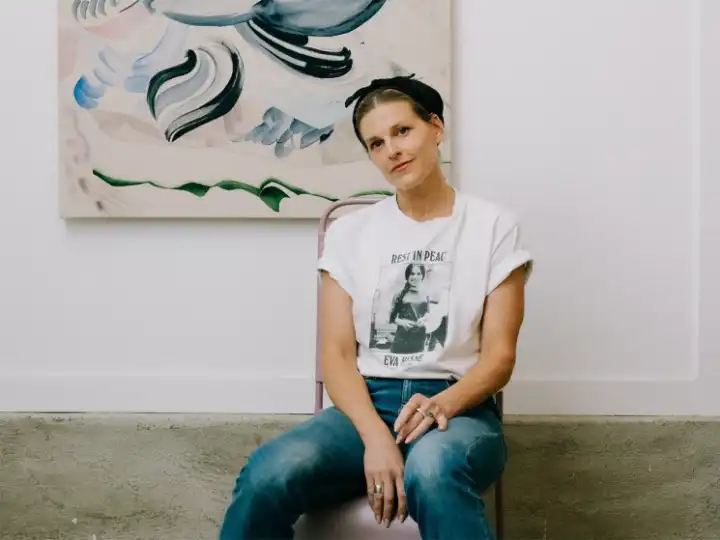
Different strokes: the unique canvas works of Pol Taburet and Claire Oswalt
The art of the eeriePol TaburetParisWhen Pol Taburet was a child, his mother would take him to look around museums. It was a natural choice of activity for her: she was a museum guard at Musée d’Art Moderne de Paris. “She wasn’t educated in art,” says Taburet. “But working all the time in those rooms, you become sensitive to the paintings.” That sensitivity, and an insatiable enthusiasm for the medium, has clearly trickled down.When Monocle visits Taburet’s studio on the outskirts of Paris, we catch the 28-year-old in the middle of a busy period. He’s just wrapped up a solo exhibition at Madrid’s Pabellón de los Hexágonos – huge paintings that were created specifically for the church-like space. Now he’s finalising the paintings and sculptures for a show at Schinkel Pavillon in Berlin. Next, he’ll be off to Brazil to spend two months creating work to display at the São Paulo Biennial from September.In his paintings, Taburet typically depicts ghostly figures. Sometimes they sit around the bright white of a tablecloth, in other works figures float and body parts freewheel across the canvas. For someone as warm and effervescent as Taburet, the works seem to have a dark underbelly. But he insists that it’s honesty, rather than darkness, on show. “I am trying to paint something real,” he says. Even if there is a sense of violence within the work, there’s a softness to it too. It’s “violence with gloss on top”, he says. “It makes it easier to look at.”Francis Bacon is an obvious comparison but Taburet has found more inspiration in the likes of Edvard Munch or Roberto Matta. Taburet is also influenced by what he finds in books such as 1993’sL’art Océanien, a doorstopper full of interesting shapes and faces. But if he had to pick one enduring influence, there’s little competition:South Park. “When you want to talk to children, you have to have this efficiency of information,” he says. “South Parkis the best for that, only using round, square and rectangle shapes. But so much is happening.” Taburet thinks that it’s this meeting of venerated art history and childish cartoons that has led to his individuality as an artist. He’s humbled by his success and how his work – “this dark humour, these freaky images”– seems to speak to so many people.Parts of a wholeClaire OswaltAustinTexan painter Claire Oswalt ascribes to the theory that all art is generated by the subconscious. “People often ask me where the inspiration for my colours comes from,” she says from her studio in Austin. “And I have absolutely no idea.” After long stints in Los Angeles and New York, the 46-year-old returned to her hometown. Though the Texan capital is an enclave of creativity and progressivism in a state not famed for such things, it is a very different environment from the two megacities that dominate America’s artistic output. Still, any attempts by Monocle to impose a geographical stamp on Oswalt’s work are politely rebuffed. “I don’t feel like my location has much to do with it,” she says. “There’s a quote from the Wim Wenders’ movieWings of Desire, in which a character says, ‘‘Behind closed eyes, close your eyes once more.’ And I feel like that’s the place from which I’m working.”Despite this, the colours of Oswalt’s recent output seem to be more informed by the natural than the interior world. And though the scale of the collaged paintings speaks to the western US tradition of grand vistas, their nature and construction are anything but brash or broad brushstroke. Indeed, each honours “that tiny moment of making that first mark on the paper”. This first mark comes after a painstaking process involving the accumulation of dozens, or even hundreds, of pieces of paper piled high on her studio floor. “It’s quite a live thing,” she says. “When I start to move them around, that’s when these abstract pieces emerge… And the edges of these collage papers become the seams of my work.”Oswalt attributes the methodical, even mathematical, way of producing work to her grandparents. Her grandfather was an engineer who made stained glass in his free time, while her grandmother was an oil painter. “And that kind of dichotomy of math and painterly aspects carried through for me.” She describes the final process of bringing all the components of her collages together as symphonic. “I’m fascinated by this idea that, especially in a symphony setting, you can have one instrument, one note, and then you put it all together and you’ve created an opera.”
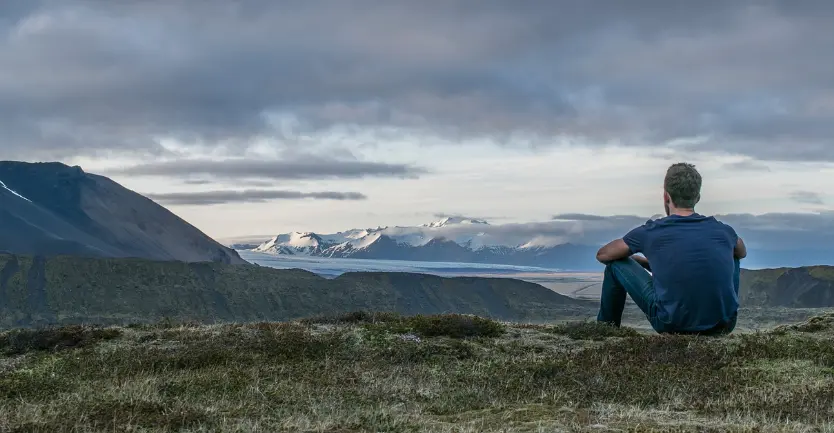
How Solo Travel Can Transform Your Life
Solo travel is no longer just for adventurous backpackers or gap year travelers. It’s become a powerful way to explore the world on your own terms, offering unparalleled freedom and personal growth. The Benefits of Solo Travel Self-Discovery: Traveling alone forces you to step out of your comfort zone, helping you discover new strengths and passions. Flexibility: No need to compromise on activities, destinations, or travel style—everything is on your own schedule. Building Confidence: When you navigate a new city by yourself, you learn to trust your instincts and become more confident in your decisions. Practical Tips for Solo Travel: Plan Ahead, But Leave Room for Spontaneity: While it’s important to have a basic itinerary, leave some time for unplanned adventures. Stay Safe: Share your travel plans with a friend or family member, and trust your gut in unfamiliar places. Embrace the Freedom: Don’t feel pressured to fill every moment with activities—sometimes, just sitting in a café and people-watching can be the best part of the day. Conclusion: Solo travel can be life-changing, offering profound experiences that can transform how you see yourself and the world. If you’ve never traveled solo, 2024 might be the year to take the leap.
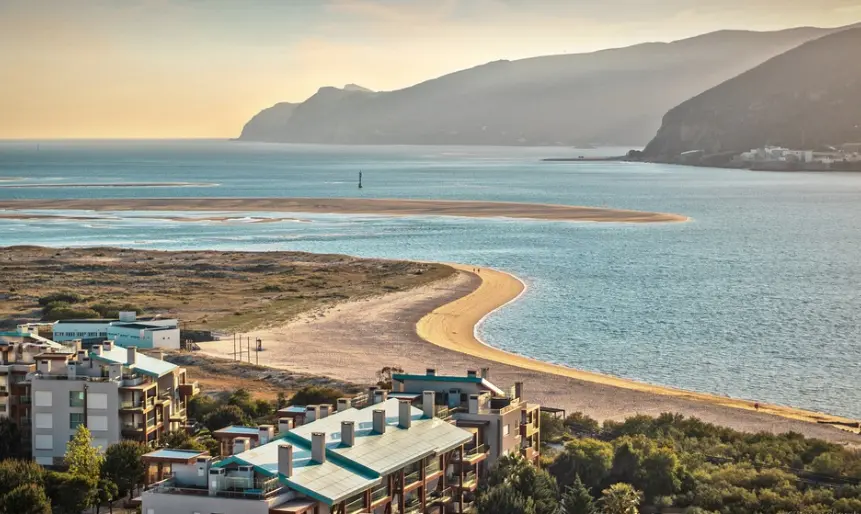
A Hidden Gem: Exploring the Unseen Corners of Portugal
While Portugal is often overshadowed by its popular neighbors, Spain and France, it’s a destination filled with surprises for those willing to step off the beaten path. From picturesque coastal towns to hidden mountain villages, here’s how to uncover the lesser-known but equally captivating sides of Portugal. 1. Douro Valley: This UNESCO World Heritage-listed valley is known for its stunning landscapes and terraced vineyards. Explore by boat along the Douro River or drive through the winding roads to discover charming towns like Pinhão and Peso da Régua. 2. Azores: This archipelago in the middle of the Atlantic Ocean offers unspoiled landscapes, volcanic craters, and thermal hot springs. Sao Miguel Island, with its lakes and lush greenery, is a perfect base to explore this off-the-beaten-path destination. 3. Sintra: Often overshadowed by Lisbon’s charm, Sintra is a fairytale town filled with magical castles and palaces. The Palácio da Pena and Quinta da Regaleira are just a few highlights of this picturesque town nestled in the mountains. 4. Alentejo Region: Vast, rolling plains dotted with cork trees and medieval villages, Alentejo offers a peaceful escape from Portugal’s more tourist-heavy areas. Visit the historic city of Évora and enjoy local wines and hearty food. Conclusion: Portugal is a country with layers waiting to be explored. Whether you prefer scenic valleys, volcanic islands, or sleepy rural towns, Portugal’s hidden gems offer a richer, more intimate travel experience.
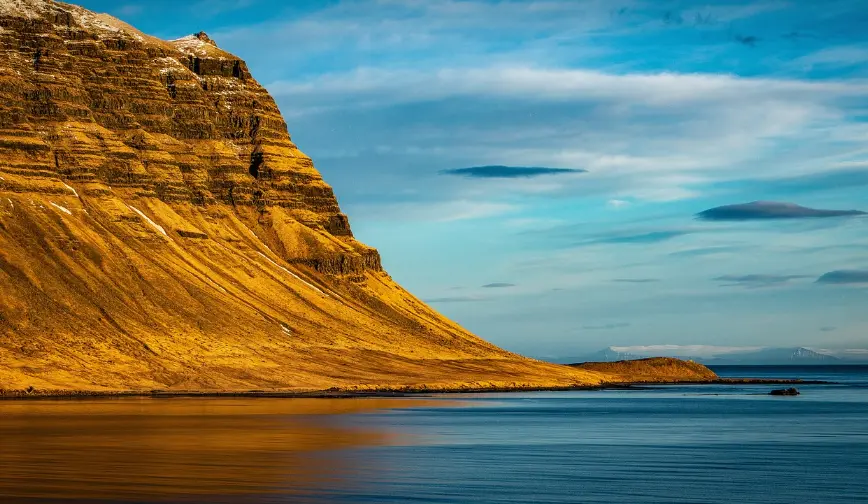
Exploring Iceland’s Natural Wonders: A 7-Day Itinerary
Iceland is a land of dramatic landscapes, from glaciers and volcanoes to hot springs and waterfalls. Whether you’re hiking across the Vatnajökull glacier or soaking in the Blue Lagoon, Iceland offers a unique travel experience for adventure seekers and nature lovers alike. Here’s a 7-day itinerary to help you explore the best of what Iceland has to offer. Day 1: Arrive in Reykjavik Start your journey by exploring Reykjavik, Iceland’s capital. Visit Hallgrímskirkja Church for panoramic views of the city and take a stroll down Laugavegur Street to explore the local shops and cafes. Don’t miss the Harpa Concert Hall for its stunning architecture. Day 2: The Golden Circle The Golden Circle is one of Iceland’s most famous tourist routes, including three must-see sights: Þingvellir National Park (a UNESCO World Heritage Site), the geothermal Geysir Hot Springs, and the powerful Gullfoss Waterfall. Day 3: South Coast and Waterfalls Drive along Iceland’s south coast, visiting stunning waterfalls such as Seljalandsfoss and Skogafoss. You can even walk behind Seljalandsfoss for a unique perspective. Stop by the black sand beaches of Reynisfjara near Vik. Day 4: Jökulsárlón Glacier Lagoon Head to the Jökulsárlón Glacier Lagoon, where icebergs float in a serene lagoon. Nearby, visit Diamond Beach, where chunks of ice wash ashore on the black sand beach. Day 5-6: Hiking in Vatnajökull National Park Spend two days hiking in Vatnajökull National Park, home to Europe’s largest glacier. Take a guided glacier walk or explore the stunning ice caves during the winter months. Day 7: The Blue Lagoon and Departure End your trip with a relaxing dip in the Blue Lagoon, a geothermal spa known for its healing waters. It’s the perfect way to unwind before heading back home. Travel Tips for Iceland: Rent a 4x4: Iceland’s weather can be unpredictable, and some of the more remote destinations require a 4x4 vehicle. Pack for All Seasons: Iceland’s weather can change rapidly. Bring layers, waterproof clothing, and sturdy hiking boots. Book Activities in Advance: Popular tours, like glacier walks and Northern Lights excursions, can book up quickly, so it’s best to reserve in advance. Conclusion: Iceland is a country of stunning natural beauty that offers an array of unique experiences. With this 7-day itinerary, you’ll be able to explore its most famous landmarks while enjoying the breathtaking landscapes that make this island nation so special.
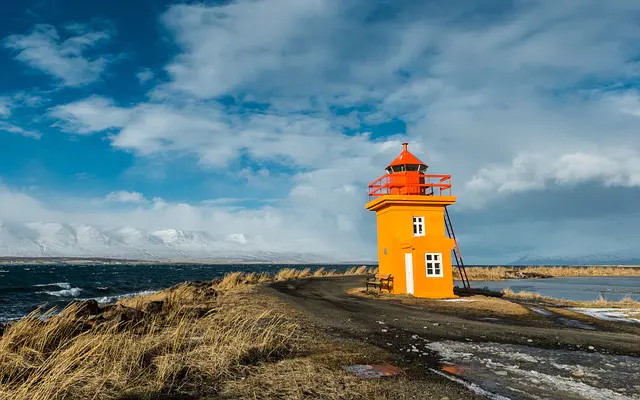
Unveiling the Wonders of Iceland: Your Ultimate Travel Companion to the Realm of Ice and Lava
Iceland stands unparalleled as a travel destination, famed for its striking volcanic terrains, majestic glaciers, and steaming geothermal pools. Adventure-seekers will find a plethora of one-of-a-kind activities, from glacier treks to soaking in the Blue Lagoon and witnessing the ethereal Northern Lights. Must-See Attractions in Iceland: The Golden Circle Route: This renowned path leads to iconic locations such as the Geysir Geothermal Area, the Gullfoss Waterfall, and the Þingvellir National Park, offering a unique chance to stand at the rift between two tectonic plates. The Blue Lagoon: A sanctuary for relaxation, this geothermal spa is situated near Reykjavik. Its soothing, mineral-enriched waters are reputed for their therapeutic effects. Jökulsárlón Glacier Lagoon: This breathtaking glacial lake is adorned with drifting ice bergs and is a haven for photographers. Nearby, the Diamond Beach awaits, where ice gems glisten on the shore. Distinctive Experiences in Iceland: Pursuing the Northern Lights: Between September and March, Iceland is an optimal spot to view the Aurora Borealis. Guided tours are available to experience this awe-inspiring celestial event. Exploring Caves and Lava Tubes: Iceland boasts numerous volcanic caves and lava tubes, such as the Vatnshellir Cave, where you can embark on a guided journey into the subterranean realm. Trekking in Landmannalaugar: Located within the Fjallabak Nature Reserve, this region is celebrated for its vibrant peaks, geothermal springs, and hiking trails, making it an ideal destination for those in pursuit of thrilling adventures and picturesque vistas. Travel Insights for Iceland: Opt for a 4x4 Vehicle: Iceland's terrain can be challenging, particularly in winter. A 4x4 vehicle ensures safe and efficient travel. Prepare for Varied Weather: Expect the unexpected when it comes to Iceland's climate. Pack versatile layers, weather-resistant clothing, and reliable hiking footwear, regardless of the time of year. Cherish the Environment: The pristine beauty of Iceland is delicate. Always adhere to marked trails and respect local conservation guidelines. Conclusion: Iceland, a land of contrasts, boasts surreal landscapes that render it one of the most extraordinary travel destinations globally. Whether you're an outdoor aficionado or a cultural explorer, Iceland promises an unforgettable journey.

December cultural updates, from Ruinart’s art-infused cellars to Finland’s national soundtrack
House ProudArt,FranceIf you find yourself at an art fair and in need of a drink, chances are that a cold glass of Ruinart will be available to quench your thirst. The champagne house – which was founded in 1729, making it France’s oldest – has long fostered close ties with the contemporary art world. This relationship is the focus of Ruinart’s newly renovated headquarters in Reims. In addition to a sparkling new pavilion designed by Japanese architect Sou Fujimoto, artworks have been peppered throughout the site. Visitors will come across the first of these works – a flag painted with a calendar by British artist Marcus Coates – after following a zigzag path flanked by steep limestone walls up to the maison. Every day, a new flag replaces the last, with a description of how nature in the Champagne region is changing with the seasons. “Most of the art pieces here are about our connection with the living world,” Maison Ruinart president Frédéric Dufour tells Monocle. “This harmony with nature is absolutely crucial for us – our product comes from nature.”Ruinart’s famous chalk cellarsCoates’s work is one of almost 20 pieces that can be seen in the Artists’ Garden. But there are also artworks inside the pavilion and the Unesco World Heritage-listed chalk cellars, where artistic duo Mouawad + Laurier has installed a giant sculptural “root” adorned with Murano-glass lamps. In response to climate data, it moves, lights up and emits sound. While ancient cellars and vineyards might be a far cry from the booths of Art Basel or Frieze, they represent a new creative iteration of Maison Ruinart and reinforce a universally known truth: that art is best observed with a glass of champagne in hand.ruinart.comArtwork by Cameroonian artist Pascale Marthine TayouFilm: USAQ&ARaMell RossDirector, ‘Nickel Boys’Adapted from a novel by Colson Whitehead, the film Nickel Boys tells the story of two African-American boys, Elwood and Turner, and their traumatic experience of a reform school in 1960s Florida. Here, director RaMell Ross describes his unusual directorial decisions and his personal association with the story.Why did you want to adapt this novel?The book is about me in a way. I guess that I’m Elwood or Turner, given the type of family that I came from in the suburbs. What happened to them could have happened to me too.The film is shot from a striking first-person perspective. Can you talk about that decision?It seemed as though it was the right approach. Coming from an arts background, I believe that the intent of any project is just as important as the result. If the film doesn’t make a big splash but people get to access Elwood and Turner’s life and Whitehead’s novel through this subjectivity, then that’s a success to me.Why did you want to use archival footage in ‘Nickel Boys’?It opens the film up. It also helps to ground it in a way. The footage allows it to be both a Hollywood production and a film that shows what’s happening and what’s at stake in the real world.Take noteMusic,FinlandIf your country were a piece of music, what would it sound like? That’s the question that the Finnish Ministry for Foreign Affairs asked before commissioning Lauri Porra, one of Finland’s most revered contemporary composers, to create the nation’s soundscape. The idea is not to present Finland’s greatest hits to the world but to capture the country’s essence through mental images of nature, which are expressed by the sounds of instruments.“It could be the colour of the sky, a forest scene or the sound of the water running in our rivers,” Porra tells monocle. “It’s not about recreating these sounds but capturing the feelings that they evoke.” The finished piece, which will be ready in time for Finland’s Independence Day on 6 December, will become the soundtrack to parties and other events thrown by Finnish embassies across the world.Porra was given creative freedom to make sure that the work felt personal and intimate, instead of turning into an idealised marketing image of the country. “I have spent a large part of my life abroad and whenever I return to Finland, I notice how the scale of things appears to change,” he says. “Humans seem smaller and nature seems bigger. That gives a beautiful perspective to life as we become more bewildered by our surroundings. I wanted to capture that sensation through the language of music.”To hear the full report, tune in to ‘The Globalist’ on Monocle Radio.Media: ItalyTrade secretsWith top-floor views of Florence’s Duomo, the headquarters ofItaly Segretafeels like a daydream. The magazine, however, is not interested in fairy tales but rather the depiction of real life in Italy. Marina Serena Cacciapuoti, the magazine’s founder, grew up in Florence but moved to New York in 2014 to pursue a career as a photo editor. “I missed Italy,” she tells monocle. “And I hated how one-dimensionally it was perceived abroad: just pizza, prosciutto and the Amalfi coast.”Cacciapuoti was only 28 years old when she left New York. “I was thriving,” she says. “But all I was building was myself.” Returning to Italy, she envisioned a magazine that would give a platform to young writers and photographers. After launching in 2020,Italy Segretaquickly exploded, highlighting often-overlooked details of Italy, such as coffee rituals and street life.Italy Segretanow publishes a digital issue every month and, since 2023, an annual large-format print issue packed with articles on everything from essential pasta dishes to Sicilian ceramics.“Many Italians think of their country as dysfunctional,” says Cacciapuoti. “It’s partially true but we’re showing that it’s possible to create something that works here.”Novel approachBooks,SingaporeSingaporean photographer Rebecca Toh was exploring a Japanese fishing town in April when she wandered into a small library. She learned that each shelf was operated by different people, who brought their own books for others to borrow. “I couldn’t get the idea out of my head,” says Toh. She posted on social media to gauge interest in starting a similar project in Singapore and received hundreds of responses. Encouraged, she signed a lease for a shop in Bukit Merah.An architect volunteered to install wooden flooring; graphic designer friends created a logo; and almost 200 people committed to a monthly fee of s$45 (€32) to cover the space’s costs. In August the Casual Poet Library opened to the public, staffed entirely by volunteers.Membership is s$25 (€18) a year and members can borrow five books at a time. There are no late fees; mutual trust is central to the ethos of the library. One shelf is run by a class of schoolchildren, while some are curated by doctors, aspiring playwrights and couples. “People just want to share their passion for books and literature with others,” says Toh. “We have built a real community here.”